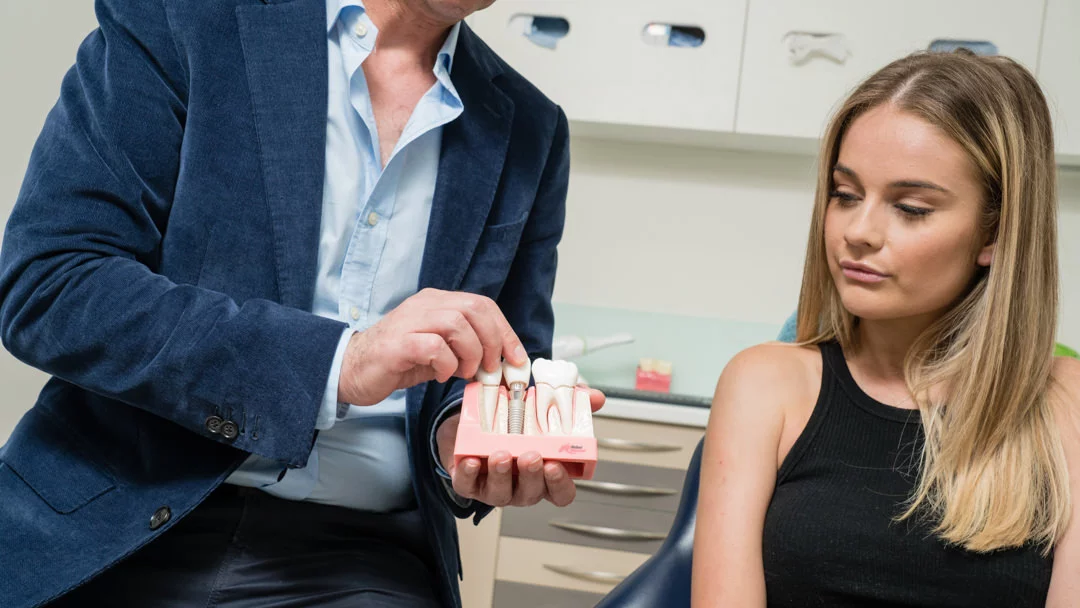

Types of Dental Implants
Dental implants have revolutionized the field of dentistry, offering a long-lasting and natural-looking solution for missing teeth. They are titanium posts surgically inserted into the jawbone to act as artificial tooth roots.
However, not all dental implants are the same. There are different types available, each designed to cater to specific needs and circumstances. These types of dental implants vary in size, shape, and placement technique, allowing dentists to customize treatment plans for individual patients.
Some common types include:
- Endosteal implants: These are inserted directly into the jawbone and are the most commonly used type of dental implant. They are typically shaped like small screws or cylinders and provide a stable foundation for single or multiple artificial teeth.
- Subperiosteal implants: Unlike endosteal implants, subperiosteal implants sit on top of the jawbone, beneath the gum tissue. They are suitable for patients who do not have enough healthy jawbone to support traditional implants. Subperiosteal implants consist of a metal framework that attaches to the jawbone, with posts protruding through the gums to hold artificial teeth.
- Zygomatic implants: These implants are specifically designed for patients with inadequate jawbone structure. Instead of being placed directly into the jawbone, zygomatic implants are anchored in the cheekbone (zygomatic bone). This alternative approach provides a stable foundation for dental restorations, even when there is minimal jawbone available.
Understanding these different types of dental implants can help patients and dentists make informed decisions about the most suitable treatment option for their unique situations.
Dental Implant Procedure
The dental implant procedure involves a series of steps to replace a missing tooth with an artificial implant. Dental implants are a popular and effective solution for those who have lost a tooth due to injury, decay, or other dental issues. This procedure offers a long-lasting and natural-looking solution that can restore both the function and aesthetics of a patient’s smile.
The dental implant procedure typically begins with a comprehensive examination and consultation with a qualified dentist or oral surgeon. This initial step is crucial to assess the patient’s oral health, bone density, and overall suitability for the implant procedure. X-rays and other imaging techniques may be used to determine the precise location and angle for the implant placement.
Once the patient is deemed suitable for dental implants, the next step is the surgical placement of the implant. This involves the insertion of a titanium post into the jawbone, acting as a replacement for the tooth root. The implant is then left to fuse with the bone through a process called osseointegration, which typically takes several months.
After the implant has successfully integrated with the jawbone, an abutment is placed on top of the post. This abutment serves as a connector between the implant and the artificial tooth or crown. Impressions are then taken to create a custom-made crown that matches the patient’s natural teeth in color, shape, and size.
Finally, the crown is attached to the abutment, completing the dental implant procedure. The result is a fully functional and aesthetically pleasing replacement tooth that blends seamlessly with the patient’s natural smile.
Specific Types of Dental Implants
When it comes to specific types of dental implants, there are several options available. Endosteal implants are the most common type, which are placed directly into the jawbone. Subperiosteal implants are placed on top of the jawbone, under the gum tissue. Zygomatic implants are used when there is insufficient bone in the upper jaw. Mini dental implants are smaller in size and can be used for patients with less bone density. All 4 dental implants provide a full arch replacement with just four implants.
Endosteal Implants
Endosteal implants are a widely used dental implant technique that involves surgically placing a titanium post into the jawbone. This type of dental implant is considered the most common and effective method for replacing a missing tooth. Endosteal implants are suitable for patients with sufficient bone density in the jawbone to support the implant.
The procedure begins with the placement of the titanium post into the jawbone, which serves as a sturdy foundation for the artificial tooth. Once the implant has integrated with the surrounding bone, a dental crown is placed on top, providing a natural-looking and functional replacement tooth.
Endosteal implants offer a long-lasting solution for individuals seeking to restore their smile and improve their oral health.
Subperiosteal Implants
Another type of dental implant that offers an alternative solution for patients with inadequate jawbone density is known as a subperiosteal implant. Unlike endosteal implants, which are placed within the jawbone, subperiosteal implants are placed on top of the bone, just below the gum line.
These implants consist of a metal framework that is custom-made to fit the shape of the patient’s jawbone. The framework has posts or attachments that protrude through the gums, allowing the replacement teeth to be securely attached.
Subperiosteal implants are an ideal option for patients who have significant bone loss and are unable to undergo bone grafting procedures. This type of dental implant provides stability and support for replacement teeth, restoring the patient’s ability to speak and chew properly.
Zygomatic Implants
Zygomatic implants offer a specialized solution for patients with severe bone loss in the upper jaw. When traditional dental implants cannot be used due to inadequate bone density, zygomatic implants provide an alternative option. These implants are longer and anchor into the zygomatic bone, also known as the cheekbone, providing stability to support dental restorations.
Zygomatic implants are suitable for individuals who have missing teeth in the upper jaw and have experienced significant bone loss. By utilizing the zygomatic bone, which typically remains unaffected by bone loss, these implants ensure a stable and secure foundation for dental prosthetics.
With zygomatic implants, individuals can regain function and aesthetics, improving their quality of life and confidence.
Mini Dental Implants
Mini dental implants are a popular choice among patients seeking a less invasive option for tooth replacement. These dental implants are smaller in diameter compared to traditional implants, typically ranging from 1.8mm to 3.3mm. They are used to stabilize dentures, bridges, or crowns in patients with limited bone structure or who prefer a less invasive procedure.
Mini dental implants offer several advantages. First, they require less bone volume for successful placement, making them suitable for patients with inadequate bone density. Additionally, their smaller size allows for minimally invasive surgery, reducing discomfort and healing time. Mini dental implants also provide a more affordable alternative to traditional implants.
Despite their smaller size, mini dental implants offer excellent stability and durability, allowing patients to enjoy restored dental function and aesthetics. However, it is important to note that not all cases are suitable for mini dental implants. Consulting with a dental professional is essential to determine the best treatment option for each patient’s specific needs.
All on 4 Dental Implants
All on 4 dental implants offer a comprehensive solution for patients seeking a stable and permanent option for full arch tooth replacement. Unlike traditional dental implants that require individual implant placement for each missing tooth, All on 4 implants support a full arch of teeth with only four implants per arch.
This innovative technique is suitable for patients with reduced bone density, as it maximizes the use of available bone by angling the implants strategically. By distributing the forces evenly across the implants, All on 4 implants provide excellent stability and functionality.
This type of dental implant offers numerous advantages, including reduced treatment time and cost, improved oral hygiene, and enhanced aesthetics. Patients considering full arch tooth replacement should consult with their dentist to determine if All on 4 dental implants are the right option for them.
Bone grafting for dental implants
Bone grafting is a crucial procedure for dental implants, as it provides the necessary foundation and support for successful implant placement. When a patient lacks sufficient bone density in the jaw to support an implant, bone grafting is often recommended to create a stable base. This procedure involves taking bone from another part of the body, such as the hip or chin, or using synthetic bone material, and grafting it onto the jawbone.
The main purpose of bone grafting is to stimulate the growth of new bone cells in the grafted area. This process allows the jawbone to become stronger and denser, providing a solid foundation for the dental implant. The success of the implant depends on the integration of the graft with the existing bone, which can take several months to occur.
During the bone grafting procedure, the dentist or oral surgeon will make an incision in the gum tissue to expose the underlying jawbone. The graft material is then placed in the deficient area and secured with screws or stitches. Over time, the graft will fuse with the existing bone, creating a strong and stable base for the implant.
It is important to note that not all patients require bone grafting for dental implants. Factors such as bone density and the location of the missing tooth or teeth will determine whether or not a bone graft is necessary. A thorough examination and consultation with a dental professional will help determine the best course of action for each case.
Implant-Supported Bridge and Denture
Implant-supported bridges and dentures offer a reliable and long-term solution for individuals who have multiple missing teeth. Dental implants are used to anchor and support these prosthetic restorations, providing stability and functionality that is similar to natural teeth.
Implant-supported bridges are designed to replace multiple missing teeth by attaching a custom-made bridge to dental implants. The implants act as artificial tooth roots, securely holding the bridge in place. This type of restoration not only restores the appearance of a complete smile but also maintains proper chewing function and prevents the surrounding teeth from shifting.
Implant-supported dentures, on the other hand, are used when all of the teeth in an arch are missing. These dentures are attached to dental implants, providing better stability compared to traditional removable dentures. Implant-supported dentures can be either fixed or removable, depending on the patient’s needs and preferences. Fixed implant-supported dentures are permanently attached to the implants and can only be removed by a dentist, while removable implant-supported dentures can be taken out for cleaning.
When considering implant-supported bridges or dentures, it is important to have sufficient bone density in the jaw to support the dental implants. If the bone density is inadequate, bone grafting may be necessary to strengthen and regenerate the jawbone. This procedure involves adding bone graft material to the affected area, allowing for successful implant placement.
Implant-supported bridges and dentures are highly effective solutions for individuals with multiple missing teeth. With proper care and maintenance, these restorations can provide a long-lasting and natural-looking smile, improving both aesthetics and oral function.
Risks and Complications of Dental Implants on Tooth and Gum
One important consideration when undergoing dental implant surgery is understanding the potential risks and complications involved. While dental implants are generally safe and have a high success rate, it is important to be aware of the possible complications that can arise.
One of the main risks is infection. Like any surgical procedure, there is a risk of infection at the implant site. This can occur during or after the surgery and may require treatment with antibiotics.
Another potential complication is damage to surrounding structures. During the implant placement, nearby nerves, blood vessels, or sinuses can be affected, leading to numbness, tingling, or pain. However, this is rare and can often be avoided with proper planning and imaging.
Another risk is implant failure. Factors such as poor oral hygiene, smoking, or certain medical conditions can increase the risk of implant failure. Additionally, if the bone density is insufficient to support the implant, it may not integrate properly and could eventually become loose or fail. Your dentist will evaluate your bone density before proceeding with the implant surgery.
Complications can also arise with the gums surrounding the implant. If the gums are not properly cared for, they can become inflamed, leading to a condition called peri-implantitis. This can cause the implant to become loose and potentially fail. Regular dental check-ups and good oral hygiene practices are crucial for preventing this complication.
Conclusion
In conclusion, dental implants are a reliable and effective solution for replacing missing teeth. The procedure involves the placement of a titanium implant in the jawbone, which acts as a root for the replacement tooth. Different types of dental implants are available to cater to specific needs and requirements. Bone grafting may be necessary in cases where there is insufficient bone density. Despite potential risks and complications, dental implants offer long-term benefits and improved oral health

Types of Dental Crowns and Their Cost
Exploring Dental Crown Types, Costs, and Materials Essential for Individuals Contemplating Dental Procedures.
Dental crowns are a common restorative dental treatment used to repair damaged or decayed teeth. They are custom-made caps that are placed over the tooth to restore its shape, size, strength, and appearance. There are different types of dental crowns available, each with its own set of advantages and costs.
This article aims to provide a comprehensive overview of the various types of dental crowns and their associated costs. It will delve into the different materials used for crowns, such as porcelain, metal, and porcelain-fused-to-metal, and discuss their benefits and drawbacks.
Additionally, factors influencing the choice of dental crown will be explored, including aesthetics, durability, and the specific tooth being treated.
By understanding the different types of dental crowns and their costs, patients can make informed decisions about their dental treatment options.
Types of Dental Crowns
When it comes to dental crowns, there are several types available. Porcelain crowns are popular for their natural appearance and durability. Ceramic crowns are another option that offers a strong and aesthetically pleasing result. Metal crowns, such as gold or silver, are known for their strength but may not be as visually appealing. Composite crowns are a cost-effective option, while zirconia crowns are highly durable and can provide a natural look.
These different types of dental crowns offer patients a range of choices based on their individual needs and preferences.
Porcelain Dental Crowns
Porcelain crowns, a type of dental crown, are widely used in restorative dentistry for their natural appearance and durability. These are made from a ceramic material that closely resembles the color and texture of natural teeth, making them an ideal choice for patients who want a seamless smile.
Here are three important things to know about porcelain dental crowns:
- Superior aesthetics: Porcelain crowns are highly regarded for their ability to mimic the natural look of teeth. They can be color-matched to blend in seamlessly with the surrounding teeth, creating a beautiful and natural smile.
- Durability: Despite their delicate appearance, porcelain crowns are remarkably strong and durable. They can withstand the daily wear and tear of chewing and biting, providing long-lasting results.
- Cost considerations: Porcelain crowns are generally more expensive than other types of dental crowns, such as metal or composite crowns. The tooth crown cost may vary depending on factors such as the location of the dental practice and the complexity of the case. It is important to consult with a dentist to determine the crown’s cost and explore available options.
Ceramic Dental Crowns
Ceramic crowns, a prevalent type of dental crown, are widely utilized in restorative dentistry due to their natural aesthetics and durability. These crowns are made from a material that closely resembles the appearance of natural teeth, making them an excellent choice for those seeking a seamless and natural-looking restoration.
Ceramic crowns can be customized to match the color, shape, and size of the patient’s existing teeth, resulting in a seamless and aesthetically pleasing smile. In addition to their appealing appearance, ceramic crowns are also known for their strength and longevity.
While the cost of ceramic crowns may be higher compared to other types of dental crowns such as porcelain or metal crowns, many patients find the investment worthwhile due to the superior appearance and durability they offer.
Metal Dental Crowns
Metal crowns, known for their durability and strength, are a popular type of dental crown used in restorative dentistry. These crowns are made from various types of metals, including gold alloy, palladium, nickel-chromium alloy, and base metal alloy.
Here are three key points to consider about metal crowns:
- Durability: Metal crowns are highly resistant to wear and tear, making them a long-lasting option for dental restorations. They can withstand the forces of chewing and grinding without fracturing or chipping.
- Biocompatibility: Metal crowns are well-tolerated by the body, making them suitable for patients with metal allergies. However, some people may be concerned about the aesthetic appearance of metal crowns, especially when placed on visible teeth.
- Cost: Metal crowns are generally more affordable compared to other types of dental crowns. The cost may vary depending on the type of metal used and the complexity of the dental restoration.
Composite Dental Crowns
Composite crowns, another type of dental crown, offer a versatile and aesthetically pleasing option for dental restorations. Unlike metal crowns, composite crowns are made from a tooth-colored material that can blend seamlessly with the surrounding teeth. This makes them an excellent choice for patients who want a natural-looking smile.
In terms of cost, composite crowns are generally more affordable compared to other types of dental crowns. The exact crown cost can vary depending on various factors such as the material used, the complexity of the procedure, and the location of the dental practice.
However, it is important to note that composite crowns may not be as durable as metal crowns and may require more frequent replacement.
Nevertheless, for patients looking for an affordable and aesthetically pleasing dental crown option, composite crowns can be an excellent choice.
Zirconia Dental Crowns
Zirconia crowns, a popular choice for dental restorations, offer a durable and aesthetically pleasing option for patients seeking a high-quality dental crown. Made from zirconium dioxide, these crowns are known for their strength and natural appearance.
Here are three key points to consider regarding zirconia crowns:
- Superior durability: Zirconia crowns are highly resistant to chipping and cracking, making them an ideal choice for patients with a history of teeth grinding or clenching. They can withstand the forces of regular biting and chewing, ensuring long-term functionality.
- Excellent aesthetics: Zirconia crowns closely resemble natural teeth, thanks to their translucent appearance. This makes them an excellent choice for front teeth restorations. Their color can be customized to match the surrounding teeth, resulting in a seamless and natural-looking smile.
- Higher cost: Compared to other types of dental crowns, zirconia crowns tend to be more expensive. The higher cost is due to the material’s superior quality and the advanced technology used in their fabrication. However, the long-lasting durability and aesthetic benefits make them a worthwhile investment for many patients.
When considering zirconia crowns, it is essential to consult with your dentist to determine the best treatment plan and discuss the associated costs and fees.
Stainless Steel Crowns
Stainless steel crowns are a commonly used type of dental crown due to their durability and cost-effectiveness. These crowns are typically used for temporary purposes, especially in children, as they are less expensive than other types of crowns.
Stainless steel crowns are made of a strong metal material that provides excellent strength and protection for the tooth. The procedure for placing a stainless steel crown involves shaping the tooth and then fitting the crown over it.
The care for stainless steel crowns is relatively simple, requiring regular brushing and flossing to maintain oral hygiene. While stainless steel crowns may not offer the same aesthetic appeal as other types of crowns, they serve an important role in protecting and restoring the functionality of teeth for patients of all ages.
Gold Crowns
Gold crowns are a commonly chosen type of dental crown, frequently preferred for their durability, aesthetic appeal, and long-lasting results. Here are three key points to consider about gold crowns:
- Material: Gold crowns are made from a combination of gold and other metals like copper or palladium. This makes them highly durable and resistant to wear and tear. Gold crowns are known for their strength and can withstand the forces of chewing and biting.
- Aesthetics: While gold crowns may not be as popular for front teeth due to their distinct appearance, they are a great option for molars and premolars. Their metallic color can blend well with natural teeth, and they have a unique shine that some people find appealing.
- Cost: The cost of a gold crown can vary depending on factors such as the dentist’s location, the complexity of the procedure, and the amount of gold used. Generally, gold crowns tend to be more expensive than other types of crowns, such as porcelain or metal crowns. However, their durability and longevity can make them a worthwhile investment in the long run.
Dental Crown Cost, Procedure, and Care from the Dentist:
The costs of dental crowns are influenced by several factors, with material selection, dentist fees, and geographical location being the most significant. The choice of crown material, such as porcelain, ceramic, metal, or composite, plays a crucial role in cost variation, considering factors like durability and aesthetics. Dentist fees contribute substantially, reflecting their expertise and the complexity of the procedure. Additionally, geographical location plays a role, as the cost of living and regional dental care standards can impact the overall expenses associated with obtaining dental crowns. Understanding these factors is essential for individuals seeking dental crowns to make informed decisions based on their preferences and budget constraints.
One common method for placing dental crowns is known as the indirect restoration technique. With this method, the dental crown is fabricated outside the patient’s mouth.
The procedure starts with the dentist preparing the tooth by removing any decay or damage. Then, an impression of the tooth is taken, which serves as a guide for creating the dental crown. The impression is sent to a dental laboratory, where the crown is custom-made using various materials such as porcelain, ceramic, metal, or a combination of these. The choice of material depends on factors such as strength, aesthetics, and the patient’s preferences.
Once the dental crown is ready, the patient returns to the dentist for the final placement. The tooth is cleaned and prepared for bonding, and the crown is carefully positioned and secured using dental cement or adhesive.
After the procedure, the dentist provides instructions on how to care for the dental crown. Good oral hygiene, including regular brushing and flossing, is crucial to maintain the longevity of the crown. It is also important to avoid biting or chewing on hard objects that can damage the crown. Regular dental check-ups are recommended to ensure the crown’s stability and to address any potential issues promptly.
Factors Influencing Tooth Crown Choices
Factors such as durability, aesthetics, and budget play a significant role in influencing the choice of tooth crowns. When considering the types of dental crowns available, patients must take into account various factors to make an informed decision:
- Material: Different materials, such as porcelain, metal, or a combination of both, offer distinct advantages. Porcelain crowns are known for their natural appearance, making them a popular choice for front teeth. Metal crowns, on the other hand, provide exceptional strength and durability, making them suitable for back teeth.
- Strength: The strength of a dental crown is crucial, especially for teeth subjected to significant biting forces. Patients with a history of teeth grinding or clenching may require a stronger material, such as metal or porcelain-fused-to-metal crowns, to withstand these forces and prevent premature wear or fractures.
- Budget: Tooth crown cost varies depending on the material used and the complexity of the procedure. Porcelain crowns tend to be more expensive than metal crowns, but they offer superior aesthetics. Temporary crowns may also be needed during the treatment process, and their cost should be considered as well.
Dental Crown Material Guide
When considering the types of dental crowns available, patients must take into account the material used, as it greatly influences the overall quality and durability of the crown. There are several materials commonly used for dental crowns, each with its own unique characteristics.
Porcelain crowns are popular due to their natural appearance and ability to blend seamlessly with surrounding teeth. They are an excellent choice for front teeth, as they can mimic the translucency of natural tooth enamel. However, porcelain crowns are not as strong as other materials and may be prone to chipping or cracking.
Metal crowns, typically made from gold or silver alloys, are known for their durability and strength. They are highly resistant to wear and can withstand biting and chewing forces. However, their metallic appearance may not be aesthetically pleasing, making them more suitable for molars or back teeth.
Zirconia crowns are a newer option that combines the strength of metal crowns with the natural appearance of porcelain crowns. They are highly durable and resistant to chipping or cracking. Additionally, zirconia crowns are biocompatible, meaning they are less likely to cause allergic reactions.
Temporary crowns are usually made from acrylic or stainless steel. They are used as a temporary measure while a permanent crown is being fabricated. These crowns are not as durable as permanent crowns and require extra care to prevent damage.
Ceramic crowns are similar to porcelain crowns, but they are made from a different type of ceramic material. They offer excellent aesthetics and can be customized to match the color and shape of neighboring teeth. Ceramic crowns are highly resistant to staining, making them a popular choice for front teeth.
Conclusion
In conclusion, there are various types of dental crowns available, each with its own advantages and cost considerations. The choice of a dental crown depends on factors such as the location of the tooth, aesthetic preferences, and budget. It is important to discuss with a dentist to determine the most suitable crown material and procedure for individual needs. Regular dental care and maintenance are crucial to ensure the longevity and effectiveness of dental crowns