
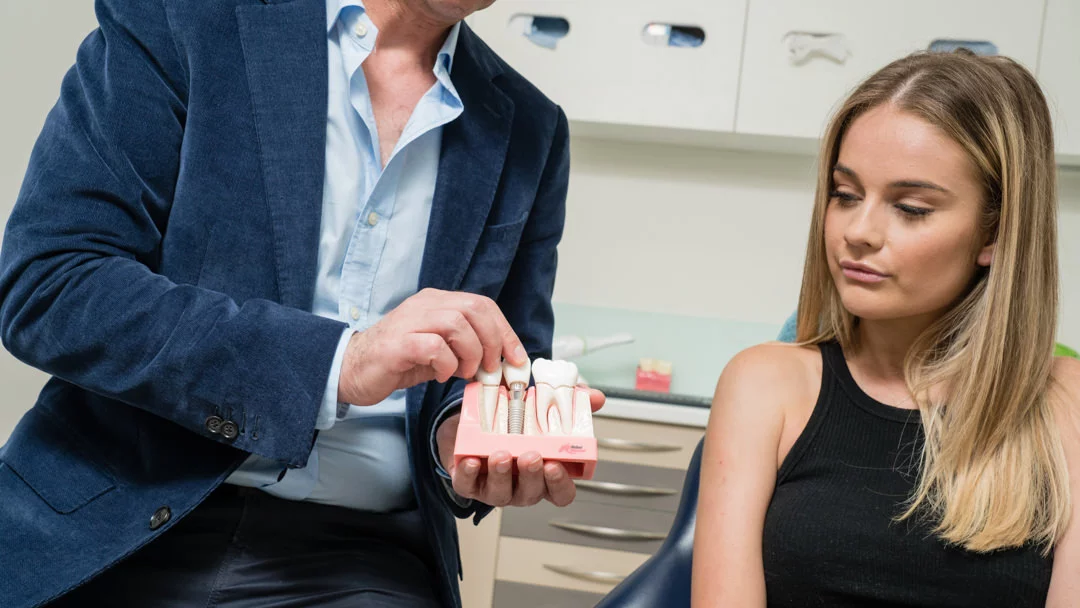
Dental Implants Before and After
Dental implants have become a popular and effective solution for individuals seeking to restore their smiles and improve their oral health. This article will provide an overview of the transformation that can be achieved with dental implants, showcasing the remarkable before and after results.
Dental implants are artificial tooth roots that are surgically placed into the jawbone, providing a stable foundation for replacement teeth. Before undergoing the implant procedure, patients undergo an initial consultation and assessment to determine their eligibility and create a personalized treatment plan. The surgical placement of the implants is then performed by a skilled dental professional.
Following the procedure, a healing and osseointegration process takes place, during which the implants fuse with the surrounding bone, ensuring stability and durability. Once this process is complete, the final step involves attaching custom-made replacement teeth to the implants, resulting in a natural and aesthetically pleasing smile.
Through the comparison of before and after images, the significant improvement in both appearance and functionality achieved with dental implants becomes evident.
Importance of Dental Implants
Dental implants play a crucial role in restoring oral functionality and enhancing the overall quality of life for individuals with missing teeth. With advancements in dentistry, dental implants have become the gold standard for replacing missing teeth. These implants are designed to mimic the structure and function of natural teeth, offering a long-lasting and aesthetically pleasing solution.
Before the advent of dental implants, individuals with missing teeth had limited options for tooth replacement. Dentures and bridges were commonly used, but they often came with a host of problems. Dentures could be uncomfortable, slip out of place, and affect speech and chewing abilities. Bridges required the alteration of adjacent teeth, which could weaken them over time. Dental implants, on the other hand, provide a permanent solution without compromising the integrity of surrounding teeth.
The results of dental implant procedures are remarkable. Patients experience improved oral function, allowing them to eat, speak, and smile with confidence. Dental implants also prevent bone loss, which can occur when a tooth is missing. This helps preserve facial structure and prevents the sagging appearance that often accompanies tooth loss.
Initial Consultation and Assessment At Dentistry
During the initial consultation and assessment at the dental clinic, a comprehensive evaluation of the patient’s oral health and specific needs is conducted. This crucial step allows the dentist to determine if dental implants are the appropriate treatment for the patient. The dental office provides a comfortable and welcoming environment for patients to discuss their concerns and goals with the dentist.
During the consultation, the dentist will perform a thorough examination of the patient’s mouth, including an assessment of the teeth, gums, and jawbone. X-rays or CT scans may be taken to evaluate the bone structure and determine the feasibility of dental implant placement. The dentist will also review the patient’s medical history to ensure there are no underlying conditions or medications that may affect the success of the dental implant procedure.
In addition to the examination, the dentist will engage in a detailed discussion with the patient to understand their expectations and desired outcomes. This allows the dentist to create a personalized treatment plan that addresses the patient’s specific needs. The dentist will explain the dental implant procedure, including the before and after care, potential risks, and benefits.
Surgical Placement of Dental Implant By Dentist
The surgical placement of dental implants involves the precise positioning and integration of the implant into the patient’s jawbone. This procedure is performed by a trained dental professional, such as an oral surgeon or a periodontist. The success of the implant relies on the careful planning and execution of this surgical process.
During the surgical placement of dental implants, the dentist will make an incision in the gum tissue to expose the underlying jawbone. Then, a small hole is drilled into the bone to create a space for the implant. The implant, typically made of titanium, is then inserted into the hole and secured in place. Over time, the implant fuses with the jawbone through a process called osseointegration, providing a stable foundation for the replacement tooth.
To give you a better understanding of the surgical placement of dental implants, here is a table showcasing the steps involved in the procedure:
| Step | Description |
| 1 | Incision in the gum tissue |
| 2 | Drilling a hole in the jawbone |
| 3 | Inserting the implant |
| 4 | Securing the implant |
| 5 | Osseointegration and healing |
The surgical placement of dental implants is a vital step in the dental implant process. It lays the foundation for a successful tooth implant and ensures long-lasting results. By integrating the implant into the jawbone, patients can enjoy improved oral function and aesthetics. To see the transformative effects of dental implants, patients can refer to before and after photos, showcasing the significant improvements in their smile and overall dental health.
Healing and Osseointegration Process
The healing and osseointegration process following surgical placement of dental implants is a crucial stage in the success of the procedure. It is during this phase that the implants integrate with the surrounding bone, providing a stable foundation for the replacement tooth or teeth.
Here are some key points about the healing and osseointegration process:
- The healing process begins immediately after the surgical placement of the dental implants. During this time, patients may experience some discomfort and swelling, which can be managed with pain medication prescribed by the dentist.
- Osseointegration is the process by which the dental implants fuse with the jawbone. This integration typically takes several months and is essential for the long-term success of the tooth implant.
- Regular follow-up visits to the dental office are crucial during the healing and osseointegration process. These visits allow dentists to monitor the progress and ensure proper healing.
- Once the healing and osseointegration process is complete, the final step involves attaching the replacement tooth or teeth to the dental implants. This step is custom-tailored to each patient’s specific needs and desired aesthetic results.
The healing and osseointegration process is a critical part of dental implant treatment. With proper care and attention, patients can achieve successful and long-lasting results.
Remarkable Transformation: Before and After Dental Implant
Following the crucial healing and osseointegration processes, a remarkable transformation can be seen through a before and after comparison of dental implants. Before the dental implant procedure, patients may experience issues such as difficulty chewing, speaking, or a lack of confidence due to their missing teeth. However, after the placement of dental implants, patients experience a significant improvement in their overall oral health and appearance.
One of the most noticeable changes after the dental implant procedure is the restoration of a complete and natural-looking smile. Dental crowns are typically placed on top of the dental implant, mimicking the appearance and function of natural teeth. These dental crowns are custom-made to match the shape, size, and color of the patient’s existing teeth, resulting in a seamless blend with the surrounding teeth. This transformation not only improves the aesthetic appearance but also restores the functionality of the patient’s bite.
In addition to dental crowns, dental implants offer several other advantages. They provide stability and support to neighboring teeth, preventing them from shifting or becoming misaligned. Furthermore, dental implants stimulate the jawbone, preventing bone loss that often occurs with missing teeth. This stimulation helps to maintain the facial structure and prevent a sunken-in appearance.
To enhance the overall transformation, patients may also opt for teeth whitening treatments. Teeth whitening can be done either before or after the dental implant procedure, depending on the patient’s preference and the advice of the dental office. By brightening the natural teeth, the patient achieves a more uniform and radiant smile.
Conclusion
In conclusion, dental implants play a crucial role in restoring oral health and improving the appearance of individuals with missing teeth. Through the initial consultation and assessment at a dental clinic, the surgical placement of dental implants can be performed. The healing and osseointegration process is vital for the success of the implants.
Overall, the remarkable transformation seen in before and after comparisons highlights the significant impact of dental implants on patients’ lives.
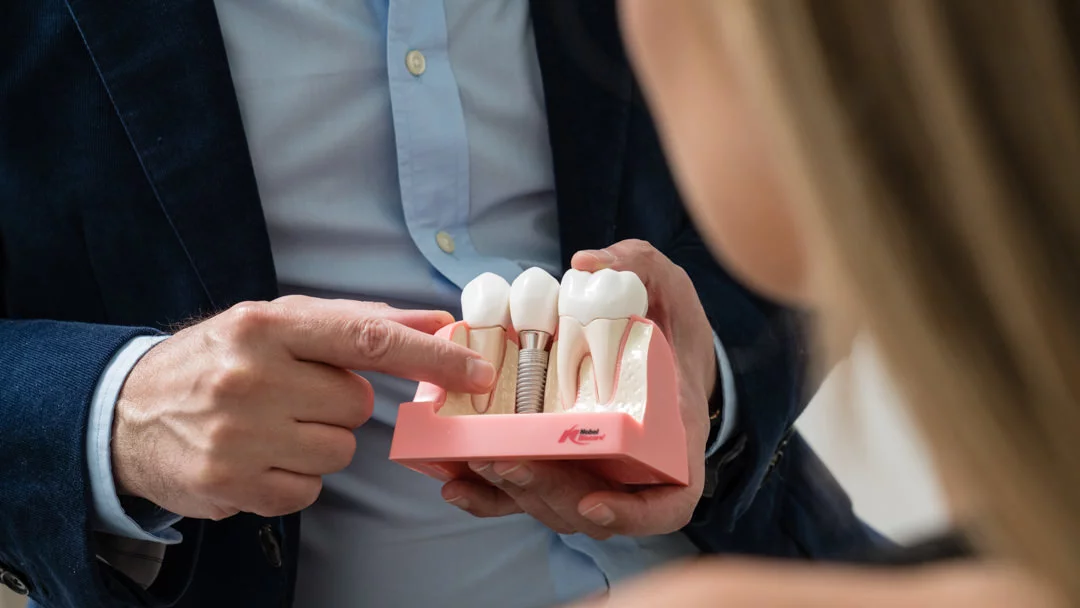
How Much Do Dental Implants Cost in Australia?
When it comes to dental care, one of the most common concerns is the cost of dental implants. Dental implants are a popular solution for replacing missing teeth, but their price can vary depending on various factors.
Understanding the cost of dental implants in Australia is crucial for individuals seeking this dental procedure. This article aims to provide a comprehensive overview of the average cost of dental implants in Australia, the factors that affect their cost, additional expenses associated with the procedure, financing options available, and tips for finding affordable dental implants.
By gaining insight into these aspects, individuals can make informed decisions about their dental health and financial well-being.
Average Dental Implants Cost In Australia
Dental implants are an effective solution for replacing missing teeth and restoring oral health. They are titanium posts that are surgically inserted into the jawbone to provide a stable foundation for artificial teeth.
How Much Do Tooth Implants Cost?
The average cost of tooth and teeth implants in Australia can vary significantly depending on various factors, such as the complexity of the procedure, the location of the dental clinic, and the materials used. When considering the cost of dental implants in Australia, it is important to consult with a dentist who can assess your specific needs and provide an accurate estimate. On average, the cost of a single dental implant can range from $3,000 to $6,500. However, this cost does not include additional set procedures such as bone grafting or sinus lifts, which may be necessary to ensure the success of the implant.
It is worth noting that dental implant costs can vary between dental clinics and locations. In metropolitan areas, where overhead costs are typically higher, the average cost of dental implants may be slightly higher compared to rural areas. Additionally, the materials used for the implant, such as the type of implant crown, can also affect the overall cost.
Investing in dental implants is not just about replacing a missing tooth or teeth; it is an investment in your oral health and overall well-being. While the initial cost may seem significant, dental implants offer long-term benefits, including improved speech, enhanced chewing ability, and a natural-looking smile. It is always recommended to consult with a dentist to discuss your options and determine the most suitable treatment plan for your individual needs.
Moving from Dentures To Dental Implants
Individuals may transition from dentures to implant-supported prosthetics for enhanced stability and functionality. This transition often involves adapting the existing denture or designing a new prosthetic tooth or teeth that attach to the implants. The choice between dentures and dental implants depends on factors such as oral health, budget, and the desire for a permanent and stable solution.
Procedure and Teeth Care After Dental Implant
The process of getting dental implants involves a thorough procedure that starts with a consultation and assessment to determine if the patient is a suitable candidate. A treatment plan is then created, and personalized for the patient. During the surgical phase, titanium implants are precisely placed into the jawbone. Over the next few months, osseointegration occurs, which ensures a stable foundation for the prosthetic teeth. Abutments are then attached, and custom-made prosthetic teeth are placed to complete the process.
Post-operative care is crucial for the long-term success of dental implants. It includes maintaining excellent oral hygiene, scheduling regular check-ups, adopting a balanced diet, and avoiding habits like smoking that can impact healing. Following specific care instructions, seeking prompt dental attention for any concerns, and engaging in open communication with the dental team contribute to the overall well-being and durability of dental implants.
Factors Affecting Dental Implant Cost
Factors influencing the cost of dental implants in Australia include the complexity of the procedure, the location of the dental clinic, and the materials utilized. The cost of dental implant procedures can vary significantly depending on these factors.
The complexity of the procedure refers to the condition of the patient’s oral health and the number of implants required. For example, if a patient requires a full mouth implant, the cost will be higher compared to a single tooth implant. Additionally, if a patient has poor oral health and requires additional procedures such as bone grafting or sinus lifts, the overall cost will increase.
The location of the dental clinic also plays a role in determining the cost. Dental clinics in major cities or affluent neighborhoods tend to have higher overhead costs, resulting in higher prices for dental implant procedures.
Lastly, the materials used for dental implants can affect the cost. High-quality materials such as titanium implants are more expensive than other alternatives. The type of crown or prosthesis used to complete the implant can also impact the overall cost.
To provide a visual representation of the factors affecting dental implant cost, refer to the table below:
| Factors | Description | Impact on Cost |
| Complexity of Procedure | Number of implants/procedures needed | Higher cost |
| Location of Dental Clinic | Overhead costs vary by location | Higher cost |
| Materials Utilized | Quality of implants and prosthetics | Higher cost |
Understanding these factors can help patients make informed decisions about their dental implant procedures and budget accordingly.
Additional Costs Associated With Dental Implants
When considering dental implant procedures, patients should be aware of the potential additional costs involved. Apart from the basic implant cost, several other factors can contribute to the overall expense of the treatment. One of the significant costs associated with dental implants is the fee charged by the specialist surgeon who performs the implant procedure. Dental surgery requires the expertise of a skilled professional, and their fees may vary depending on their experience and reputation.
In addition to the surgeon’s fee, there are other costs related to dental implants that patients should consider. For instance, patients should inquire about any additional costs for consultations, diagnostic tests, and follow-up appointments. These costs can add up and should be factored into the total implant procedure cost.
It is also important to understand that dental implants are generally not covered by Medicare rebates. This means that patients are responsible for covering the entire cost of the procedure. However, some private health insurance policies may provide partial coverage for dental implants, so it is worth checking with your insurance provider to determine if you are eligible for any rebates.
Maintaining good oral health is essential for the success of dental implants, and regular check-ups with your dentist are crucial. It is important to note that these check-ups and any necessary treatments may incur additional costs.
For patients considering a full-mouth dental implant or multiple teeth implants, the costs associated will be significantly higher compared to a single-tooth implant. The complexity of the procedure and the number of implants required will impact the overall cost.
Financing Options for Dental Implant Procedure
Patients have several financing options available to help cover the cost of dental implants in Australia. As dental implants can be a significant investment, patients need to explore these options to make the procedure more affordable.
One financing option is dental insurance. Some dental insurance plans may cover a portion of the dental implant’s cost, particularly if they are deemed medically necessary. However, it is important to check the specific coverage details of the insurance plan to understand what expenses will be covered.
Another option is to inquire about financing plans offered by dental clinics or implant specialists. These plans often allow patients to spread out the cost of dental implants over a period of time, making it more manageable for them to pay. It is advisable to discuss the financing options with the dental clinic or specialist during the initial consultation.
Additionally, some patients may consider taking out a personal loan to cover the implant cost. This option allows patients to obtain the funds needed upfront and then repay the loan in installments over time.
Regardless of the financing option chosen, it is important to prioritize oral health and invest in dental implants to restore a healthy and functional smile. By exploring the various financing options available, patients can make dental implants more accessible and affordable.
Tips for Finding Affordable Dental Implants
To find affordable dental implants in Australia, it is important to explore cost-saving options. Dental implants can be a significant investment, but with some research and planning, you can find affordable options that meet your needs.
One tip for finding affordable dental implants in Australia is to compare prices from different dental clinics. The cost of dental implants can vary greatly depending on the location and the clinic you choose. By obtaining quotes from multiple clinics, you can compare prices and choose the most affordable option.
Additionally, it is worth considering dental schools or teaching hospitals for dental implant procedures. These institutions often offer discounted rates for dental treatments as they are performed by dental students under the supervision of experienced professionals. While the procedure may take longer, it can be a cost-effective option for those seeking affordable dental implants.
Another way to save on dental implants is to inquire about payment plans or financing options. Many dental clinics offer flexible payment plans that allow you to spread out the cost of your dental implant procedure over time. This can make the cost more manageable and affordable.
Lastly, consider exploring dental tourism options. Some countries offer dental implant procedures at significantly lower costs compared to Australia. However, it is important to thoroughly research the reputation and credentials of the dental clinic before making a decision.
Conclusion
The cost of dental implants in Australia can vary depending on several factors such as the location, complexity of the procedure, and materials used. Additional costs may include consultations, X-rays, and post-operative care. However, there are financing options available to make dental implants more affordable for patients. Individuals need to research and compare different dental clinics to find the most cost-effective option for their needs.