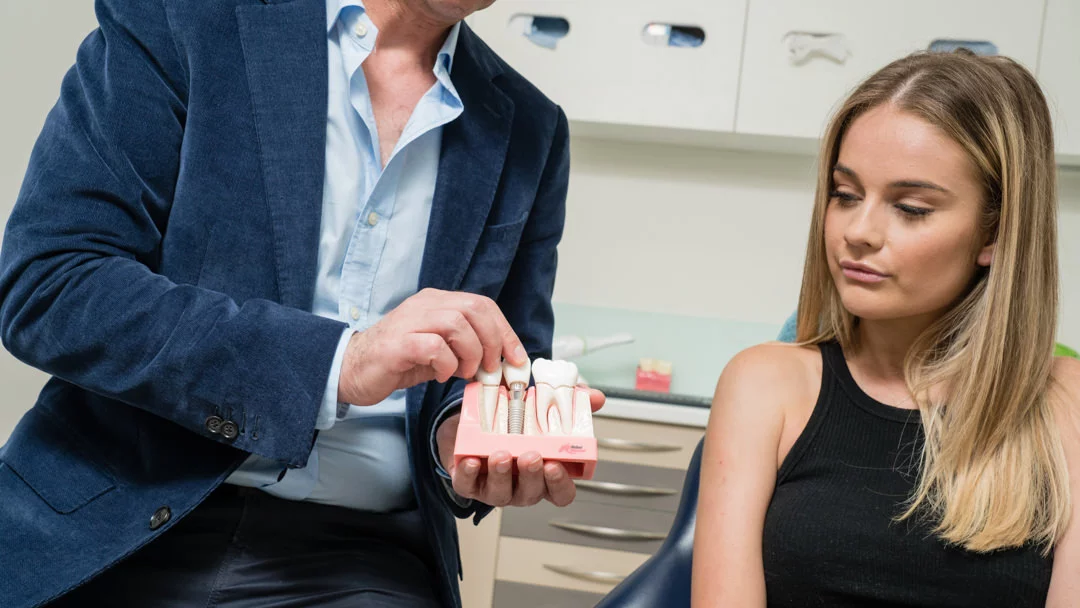

Benefits of Dentistry: An Investment in Health and General Well-Being
The significance of dentistry in enhancing overall health and well-being cannot be overstated. While most recognize the importance of regular dental visits for maintaining oral health, fewer appreciate how these practices are intrinsically linked to broader health outcomes. Emerging research suggests that robust oral hygiene can lower the risk of serious diseases, such as cardiovascular and respiratory diseases, thereby underscoring the broader implications of oral health on systemic health. This raises a pertinent question: how does investing in regular dental care influence long-term health and quality of life? Exploring this connection reveals the multifaceted benefits of dental health as a cornerstone of preventive medicine.
Key Takeaways
- Dentistry enhances overall health by preventing oral diseases that can affect systemic health.
- Regular dental visits enable early detection and treatment of dental issues.
- Improved oral health boosts self-esteem and confidence in social interactions.
- Advanced dental treatments restore functionality and aesthetics of teeth, improving quality of life.
- Maintaining good oral hygiene through dentistry reduces future health complications and associated costs.
Building a Healthy Foundation
In dentistry, establishing a sturdy foundation is vital for long-term oral health. The concept of ‘The Pillars of a Healthy Smile’ encompasses essential practices that support dental well-being. These pillars not only enhance aesthetic appeal but also fortify the structural integrity of the mouth, ensuring functionality and disease prevention.
The Pillars of a Healthy Smile
Focusing on early detection and proactive care is crucial to guaranteeing a healthy smile. Regular dental check-ups enable the identification of potential issues before they escalate, safeguarding teeth and gums.
This foundational approach preserves oral health and contributes to overall well-being.
Early Detection
Why is early detection fundamental in maintaining a healthy smile?
Early detection of dental issues through regular checks can greatly impact dental health.
It allows dental care professionals to identify potential oral health problems in patients’ teeth and gums before they escalate.
This proactive approach in oral care guarantees that benefits are maximized, maintaining the integrity and function of oral structures.
Proactive Care for Healthy Teeth and Gums
Building on the importance of early detection, proactive care emphasizes regular maintenance and preventive measures and forms the foundation of long-lasting dental health.
Dentistry focuses on equipping patients with the knowledge to maintain healthy teeth and gums.
Regular visits to the dentist enable personalized dental care strategies, reinforcing the practice’s role in preventing dental diseases and ensuring each patient’s overall health.
Exploring Advanced Treatments
As we discuss advanced dentistry treatments, it is vital to recognize how these techniques can restore functionality to damaged teeth. These sophisticated procedures not only rebuild the damaged areas but also greatly enhance the patient’s oral health by addressing complex issues beyond routine care.
Through the use of innovative technologies and specialized materials, dentists achieve remarkable outcomes in both aesthetics and function.
Restoring Functionality of Damaged Teeth
Advanced treatments in dentistry now allow for the effective restoration of functionality in damaged teeth, greatly enhancing patient quality of life. Dentists are equipped with a range of options, from cosmetic dentistry to more advanced restorative techniques learned in dental school.
Dentistry’s benefits in restoring the functionality of damaged teeth are significant. It enables individuals to regain not only the mechanical aspects of chewing and speaking but also improves aesthetic appeal. Working with the latest technology and materials, dental professionals prioritize the preservation of natural teeth whenever possible.
Patients must understand that these interventions, while sometimes complex, are essential for maintaining overall oral health and well-being.
Addressing Complex Oral Health Issues
Modern dentistry offers a variety of sophisticated treatments that address complex oral health issues, ranging from periodontal disease to TMJ disorders. These advanced treatments not only restore functionality but also enhance individuals’ overall well-being.
For instance, dental implants and laser therapy provide substantial improvements in both appearance and function, which in turn make people feel good about their smiles. Additionally, the fact that these procedures can alleviate pain and prevent future dental problems contributes to great relief for patients.
Competitive pay and continuous professional development in the dental field guarantee practitioners are well-equipped to implement these complex treatments effectively, benefiting the people they serve.
How Dentistry Impacts Your Well-being
When examining dentistry’s impacts on well-being, it is important to recognize the significant role that oral health plays in enhancing self-esteem and overall health.
A healthy smile improves confidence and contributes to better social interactions and psychological health.
Therefore, maintaining good dental hygiene and seeking regular dental care are vital to promoting one’s overall well-being.
The Power of a Healthy Smile: Confidence and Overall Health
A healthy smile is critical in enhancing personal confidence and positively presenting oneself in social and professional settings. Regular dental care guarantees fresh breath and bolsters self-esteem, making interactions more comfortable and assertive.
Additionally, a significant link between dental health and overall well-being emphasizes the importance of maintaining oral hygiene for physical and psychological health.
Fresh Breath, Lasting Confidence
Maintaining fresh breath enhances personal interactions and boosts confidence, contributing greatly to one’s overall well-being. Effective oral hygiene facilitated by regular dental check-ups prevents the buildup of bacteria responsible for bad breath.
This proactive approach guarantees fresher breath and fosters a more positive self-image and interpersonal relationships, reinforcing dentistry’s significant role in maintaining personal and social confidence.
The Smile-Health Connection
Understanding the connection between a healthy smile and overall wellness reveals dentistry’s profound impact on mental and physical health.
A robust dental care routine prevents oral diseases and boosts self-esteem and social interaction.
Additionally, the absence of oral pain facilitates better nutrition and digestion, underscoring the integral role of dental health in maintaining an excellent quality of life.
Taking Charge of Your Smile Journey
Taking charge of your dental health involves more than daily brushing and flossing. Scheduling regular dental checkups is essential for maintaining oral health and identifying potential issues before they escalate.
Exploring various dental solutions allows individuals to address specific concerns and enhance their smile, contributing to overall confidence and well-being.
Schedule Regular Dental Checkups
Scheduling regular dental checkups is vital for maintaining oral health and ensuring any personalized care needs are met. The recommended frequency of these visits can vary based on individual dental health status and historical concerns, emphasizing the need for tailored dental strategies.
Recommended Frequency
Most dental professionals agree that individuals should schedule a dental checkup at least twice yearly to maintain excellent oral health. This biannual frequency is vital for detecting early signs of tooth decay, gum disease, and other oral health issues.
Regular checkups allow for timely interventions and prevent more severe complications, ensuring your dental health remains at its best throughout the year.
Personalized Care
Embracing personalized dental care guarantees that each visit is tailored to meet your unique oral health needs and goals. Regular checkups enable your dentist to develop a thorough understanding of your dental history and preferences, ensuring treatments are not only effective but also comfortable.
This bespoke approach helps prevent dental issues and enhances the effectiveness of each procedure, keeping your smile healthy and attractive.
Exploring Dental Solutions
As we proceed with our journey of taking charge of our dental health, it is vital to explore the diverse dental solutions available.
justSMILE is renowned for providing extensive general dentistry services that cater to a wide range of oral health needs.
These services help maintain dental hygiene and prevent future complications, ensuring a healthier, brighter smile.
justSMILE Provides General Dentistry Services
justSMILE offers a wide range of general dentistry services to maintain and enhance oral health at every stage of life.
From routine cleanings and exams to fillings and root canals, their experienced team provides thorough care tailored to individual needs.
Emphasizing preventive measures, justSMILE helps patients avoid future dental issues, supporting a smooth and confident smile journey.

Upgrade Your Smile With Confidence: justSMILE Now Offers Financing Options With Afterpay
As the landscape of dental care evolves, justSMILE has adapted to meet the needs of its patients by partnering with Afterpay to offer financing options for smile upgrades. This collaboration opens the door to a more convenient and flexible approach to cosmetic dentistry services, ensuring that individuals can achieve their desired smiles without compromising their financial stability. With Afterpay’s instalment plans, the path to a confident smile becomes more attainable than ever before. Discover how this partnership is reshaping the dental industry and empowering patients to prioritise their oral health and aesthetics with ease.
Key Takeaways
- Afterpay financing is available for smile upgrades at justSMILE.
- Seamless payment experience with Afterpay’s instalment payments.
- Affordable cosmetic dentistry through Afterpay’s flexibility.
- Achieve dream smiles without financial strain at justSMILE.
- Combine expertise and affordability for smile transformations.
The Afterpay Advantage: A Breakdown of How It Works
Afterpay offers a convenient way to split payments into manageable instalments, making it easier for customers to afford their purchases. Setting up an Afterpay account is fast and simple, with instant approval and no lengthy processes. Additionally, Afterpay provides transparency regarding fees and late payment policies, ensuring customers understand their financial commitments clearly.
Splitting Payments into Manageable Instalments
Splitting payments into manageable instalments offers customers a convenient way to budget for their purchases without accruing interest. With Afterpay, shoppers can divide their payments into four equal parts over six weeks, making it easier to afford larger expenses without straining their finances.
This feature allows individuals to enjoy services like Invisalign treatment, porcelain veneers, dental implants, and other cosmetic dentistry procedures without having to pay the full amount upfront.
Fast and Easy Setup
Setting up an account for convenient instalment payments can be completed swiftly and effortlessly with the user-friendly interface provided by Afterpay. To begin, customers can easily create an account either online or through the Afterpay app with just a few simple steps.
Users are required to provide basic information such as their name, email, phone number, address, and a valid payment method, usually a debit or credit card. Once the account is set up, customers can start shopping immediately and select Afterpay as their payment option at checkout.
After selecting Afterpay, the total amount is split into four equal payments, with the first instalment due at the time of purchase. There is no lengthy approval process or credit check involved, making it convenient for users to access the service quickly.
With Afterpay, the setup process is designed to be quick, user-friendly, and hassle-free, ensuring a seamless experience for customers looking to manage their payments effectively.
Transparent Fees and Late Payment Policies
For shoppers utilising Afterpay, clear guidelines on fees and policies regarding late payments provide transparency and help maintain financial accountability.
When utilising Afterpay for purchases, it is essential to be aware of the associated fees. Afterpay operates on a straightforward model where late fees are capped at 25% of the order amount. This fee structure ensures that customers are informed of the potential costs of delayed payments.
Additionally, Afterpay does not report late payments to credit bureaus, offering a level of flexibility without impacting credit scores. By understanding these transparent fee policies, customers can make informed decisions about their purchases and payment schedules.
It is important to note that while Afterpay provides a convenient way to spread out payments, it is vital to adhere to the outlined payment timelines to avoid incurring any unnecessary fees. This transparency in fees and late payment policies underscores Afterpay’s commitment to providing a fair and clear payment system for its users.
The justSMILE and Afterpay Partnership
The collaboration between justSMILE and Afterpay guarantees patients the opportunity to achieve their dream smile without financial strain. By combining a relaxing environment with flexible financing options, individuals can undergo cosmetic dentistry procedures with ease. This partnership ensures that quality dental care is accessible to those seeking to enhance their smiles.
Achieving Your Dream Smile Without Breaking the Bank
How can you achieve your dream smile without incurring excessive financial strain? justSMILE offers a solution through its partnership with Afterpay, allowing you to access a range of cosmetic dentistry services without breaking the bank.
Whether you’re considering Invisalign treatment, porcelain veneers, dental implants, or a complete smile makeover, Afterpay’s interest-free instalment loans make these services more affordable and accessible. By spreading the cost of your dental procedures over four instalments within six weeks, Afterpay provides a flexible payment option that suits your budget.
With Afterpay, you can undergo transformative dental procedures like full-mouth reconstruction, dental crowns, bridges, and other cosmetic treatments without worrying about large upfront payments. The convenience of Afterpay extends to both online and in-store purchases, offering a seamless payment experience through debit or credit cards. Say goodbye to financial barriers and hello to your dream smile with justSMILE’s financing options through Afterpay.
Relaxing Environment and Financing Options
Creating a soothing ambience for patients, the justSMILE dental clinic seamlessly integrates Afterpay’s financing options to provide accessible and stress-free cosmetic dentistry services. Patients can now undergo smile-enhancing treatments in a relaxed environment while having the convenience of flexible payment solutions. With Afterpay, individuals can opt for interest-free instalment plans, dividing the cost of their cosmetic procedures into manageable payments. This partnership between justSMILE and Afterpay aims to make high-quality dental care more attainable for those seeking to improve their smiles without financial stress.
Dentistry Services covered by Afterpay
When it comes to dentistry services covered by Afterpay, patients can expect tailored treatments and flexible financing options. This means that individuals seeking cosmetic procedures, dental implants, smile makeovers, or other services can benefit from Afterpay’s interest-free instalment loans. With Afterpay, achieving a confident and healthy smile is more accessible and manageable for those looking to enhance their dental aesthetics.
Tailored Treatments and Flexible Financing
Tailored cosmetic dentistry treatments, including advanced procedures like Invisalign, porcelain veneers, and dental implants, are now more accessible through flexible financing options provided by Afterpay. Patients seeking smile enhancements can benefit from personalised treatment plans that cater to their unique needs and goals.
Services such as Invisalign offer discreet teeth alignment solutions, while porcelain veneers provide a natural-looking smile transformation. Dental implants, including options like All-On-4, offer functional and long-lasting smile restoration for individuals with missing teeth.
With Afterpay’s interest-free instalment loans, individuals can now undergo these transformative procedures without the immediate financial burden. This financing option allows for convenient payment in four instalments over six weeks, making high-quality cosmetic dentistry services more attainable for those looking to upgrade their smiles.
Taking the First Step Towards Your New Smile: A Consultation at justSMILE
When considering a consultation at justSMILE, you can expect to meet experienced dentists who provide a welcoming environment for your dental concerns. At justSMILE, expertise is combined with affordability to guarantee that you receive quality care without breaking the bank. Taking the first step towards your dream smile involves a consultation that prioritises your comfort and provides expert guidance on achieving your desired results.
Experienced Dentists and a Welcoming Environment
With a team of seasoned dental professionals dedicated to providing exceptional care, justSMILE offers a welcoming environment to guide you in taking the first step towards achieving your dream smile through a personalised consultation.
The experienced dentists at justSMILE bring a wealth of expertise in various cosmetic dentistry services such as Invisalign, porcelain veneers, dental implants, full-mouth reconstruction, and more. Their commitment to excellence guarantees that each patient receives tailored care to address their specific dental needs and goals.
Upon entering justSMILE, you will be greeted by a friendly and knowledgeable staff ready to assist you throughout your consultation process. The welcoming atmosphere of the clinic aims to make you feel comfortable and at ease as you start on your smile transformation journey.
Whether you are considering a smile makeover, dental implants, or other cosmetic procedures, the team at justSMILE is here to support you every step of the way towards achieving a radiant and confident smile.
Combining Expertise with Affordability
At justSMILE, the seamless integration of expertise and affordability sets the stage for individuals to start on their path towards achieving a dazzling smile through a thorough consultation process. This initial step is vital in the journey towards a dream smile, as it involves a personalised assessment by experienced dentists who understand the intricacies of cosmetic dentistry.
During the consultation at justSMILE, patients can discuss their dental concerns, goals, and desired outcomes, allowing the dental team to create a personalised treatment plan tailored to each individual’s needs. By combining their expert knowledge with a commitment to making quality dental care accessible, justSMILE guarantees that patients receive excellent service without compromising on affordability.
The consultation process at justSMILE serves as the foundation for the transformative cosmetic procedures and treatments offered, including smile makeovers, dental implants, and cosmetic dentistry services. It is a collaborative effort between the patient and the dental professionals to map out a detailed plan that aligns with the patient’s vision for their ideal smile.
With justSMILE’s dedication to excellence and patient satisfaction, individuals can take the first step towards enhancing their smiles with confidence and peace of mind.
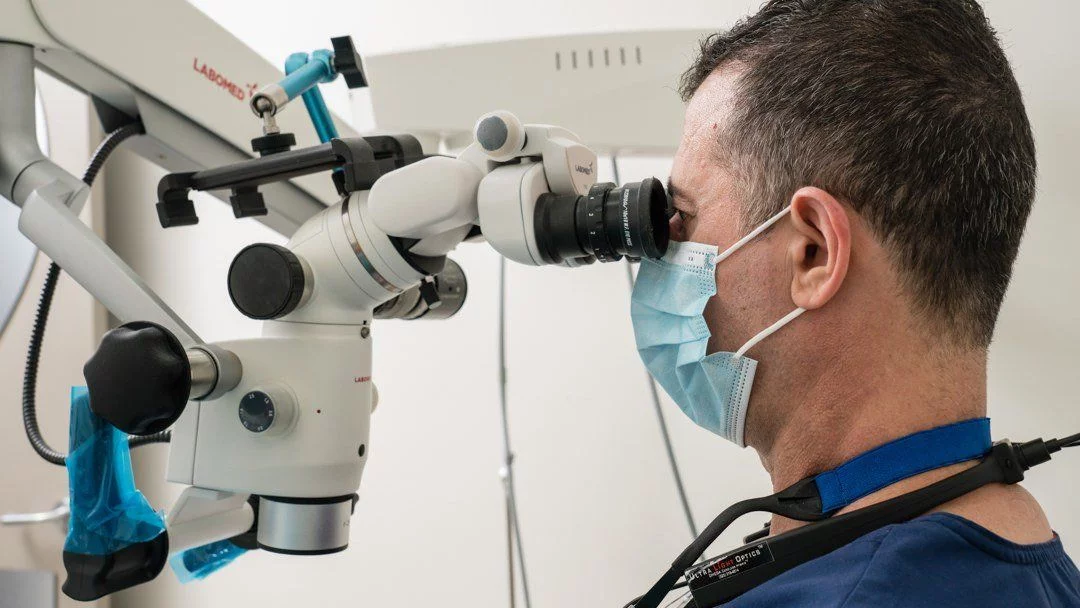
The Importance of Regular Dental Check-ups
Regular dental check-ups are fundamental to maintaining oral health and overall well-being. These examinations are not merely about cleaning teeth; they are critical evaluations that can detect early signs of gum disease, cavities, and even systemic issues such as diabetes and heart disease. Dentists also utilise these sessions to educate patients on effective home care techniques and offer advice tailored to individual needs.
At justSMILE, we understand the importance of regular dental check-ups and are committed to providing our patients with comprehensive care to help them maintain optimal oral health. However, the implications of neglecting such appointments might not be as well-known beyond these immediate benefits, yet they are equally significant. Consider what might be at risk when regular dental visits are overlooked.
Key Takeaways
- Regular dental check-ups detect early signs of decay and gum disease, allowing for timely intervention.
- Professional cleanings during check-ups prevent plaque and tartar build-up, reducing the risk of gum disease.
- Check-ups allow for the early detection of dental issues, leading to less invasive and more effective treatments.
- Consistent dental visits provide valuable advice on maintaining oral hygiene and enhancing overall dental health.
- Routine dental examinations can identify signs of other health problems, contributing to comprehensive health management.
Understanding Regular Dental Check-up
Understanding the scope of a regular dental check-up is essential for maintaining excellent oral health. At justSMILE, we educate our patients about the importance of regular dental check-ups and the role they play in preventing and detecting dental issues.
These check-ups identify cavities and gum disease and serve as preventive measures against more serious dental issues.
Beyond a Simple Check
A regular dental check-up goes beyond simple teeth cleaning. It involves a thorough examination that is essential for maintaining oral health. During these check-ups, dentists detect potential issues such as cavities, gum disease, and even oral cancer early, saving patients from future discomfort and costly treatments.
Understanding the full scope of these examinations can help individuals appreciate the importance of maintaining consistent dental visits.
Comprehensive Examination
Regular dental check-ups typically include a thorough examination to assess teeth, gums, oral tissues, and overall oral health.
During these routine dental check-ups, your dentist conducts a detailed check-up, which is important for maintaining oral hygiene.
Regular check-ups help monitor potential issues and are essential to sustaining dental health.
Early Detection
Early detection of dental issues, a key component of regular dental check-ups, can greatly mitigate the progression of oral diseases.
Regular dental check-ups allow dentists to identify oral health issues early, serving as an essential preventive measure. By routinely checking during a check-up, dentists can address problems before they worsen, emphasising the importance of maintaining a consistent check-up schedule.
The Importance of Routine
Regular dental check-ups are essential in preventive care, serving as a fundamental strategy to maintain oral health and prevent future complications. These routine visits allow dentists to assess the ongoing condition of teeth and gums, ensuring that any emerging issues are addressed promptly.
Preventive Care
While many may overlook the necessity of scheduled dental visits, these preventive measures are essential for maintaining oral health. Regular dental check-ups serve as a safeguard against potential oral health problems.
They provide an important opportunity for your dentist to address any oral health issues early before they worsen. Regular check-ups guarantee your teeth are thoroughly checked and cared for by your dentist.
Maintaining a Healthy Smile
Understanding the importance of regular dental check-ups is fundamental to maintaining a healthy smile.
These visits enable dentists to detect early signs of tooth decay and gum disease. Regular cleanings remove plaque buildup, preventing cavities.
Additionally, dentists provide valuable advice on daily oral hygiene practices, ensuring optimal dental health.
Therefore, routine check-ups are essential for a long-lasting, healthy smile.
Benefits of Regular Dental Check-ups
Regular dental check-ups offer multiple benefits that enhance oral health and overall well-being. At justSMILE, these appointments are essential for early detection and treatment of dental issues, which can prevent more severe complications later on.
Also, maintaining excellent oral hygiene through professional cleanings and guidance can contribute to lasting dental health and boost confidence and peace of mind.
Early Detection and Treatment
Regular dental check-ups are crucial for early detection and treatment of dental issues. Dentists can identify problems like cavities or gum disease early on, allowing for less invasive treatments and better health outcomes. This proactive approach preserves oral health and prevents complications requiring complex interventions later on.
Routine dental check-ups are essential for maintaining overall health and well-being. Regular cleanings can help prevent cavities, gum disease, and tooth decay. Additionally, dentists can spot signs of other health problems, like oral cancer or diabetes, during these check-ups. By staying on top of your dental health, you can prevent more serious issues from developing and ensure a healthy smile for years to come.
Catching Problems Early
Identifying dental issues at an early stage through routine check-ups can greatly reduce more severe health complications later on. Regular screenings can spot early signs of cavities, gum disease, and even oral cancer.
Early intervention means simpler, less invasive treatments, such as fillings instead of root canals and deep cleaning instead of surgical options, which preserve natural tooth structure and overall oral health.
Preventing Complications
Frequent dental check-ups are critical in preventing serious oral health complications. They enable early detection and treatment of potential issues.
Dentists can implement timely interventions by identifying problems such as cavities, gum disease, and early signs of oral cancer.
This proactive approach minimises the risk of severe outcomes, ensuring better oral health and reducing the need for more complex treatments later.
Maintaining Oral Hygiene
Maintaining excellent oral hygiene is a cornerstone of dental health, prominently featured in regular dental check-ups. These visits allow for professional cleaning, which removes plaque and tartar build-up that daily brushing and flossing might miss.
Additionally, dentists provide personalised guidance tailored to each patient’s specific oral health needs, enhancing their daily oral care routines.
Professional Cleaning
Professional cleaning, a cornerstone of dental health, effectively removes plaque and tartar that daily brushing and flossing might miss.
This process, performed by dental hygienists, involves scaling and root planing, which is essential for preventing gum disease and tooth decay. Additionally, it helps to polish and smooth the teeth, minimising future plaque accumulation and enhancing overall oral health without encroaching on areas better suited for personalised dental guidance.
Personalised Guidance
Beyond the benefits of professional cleaning, regular dental check-ups provide personalised guidance tailored to each patient’s unique oral health needs. Dentists assess individual risk factors for dental diseases, advise on preventive care, and recommend treatments specific to each patient’s condition.
This customised approach not only improves dental health but also educates patients on maintaining excellent oral hygiene practices at home.
Peace of Mind and Confidence
Regular dental check-ups offer substantial benefits beyond just maintaining oral hygiene. They also provide peace of mind and boost confidence. Knowing your oral health status can relieve anxiety about potential dental issues and reassure you that you are taking the right steps toward maintaining your dental health.
Achieving a brighter and healthier smile can greatly enhance self-esteem and social interactions.
Knowing Your Oral Health Status
Understanding your oral health status through routine dental examinations can greatly enhance your peace of mind and boost your confidence. Regular check-ups allow dentists to detect early signs of issues such as gum disease or cavities, which can be addressed promptly.
Knowing that you are taking proactive steps to maintain your oral health contributes to overall well-being and self-assurance, keeping you informed and reassured.
A Brighter and Healthier Smile
Adhering to a schedule of regular dental check-ups can result in a brighter and healthier smile. These visits allow dentists to perform professional cleanings, removing plaque and stains that daily brushing can miss.
Regular assessments also help identify early signs of decay or gum disease, ensuring timely intervention. This proactive care boosts your confidence and contributes to overall oral health.
Making Regular Dental Check-ups a Priority
Understanding the suggested frequency of dental visits is crucial. Establishing a consistent dental care routine is equally important. Choosing the right dentist is essential for optimal oral health.
These elements foster better dental hygiene and help in the early detection and treatment of potential oral issues. Integrating these practices into your healthcare regimen allows you to maintain excellent oral health and prevent future complications.
Recommended Frequency
Maintaining excellent oral health requires regular dental check-ups, generally recommended at least twice a year. However, these intervals can vary depending on individual dental health needs and specific risk factors.
Prioritising these appointments is essential for early detection and management of dental issues, ensuring a proactive approach to oral care.
Aim for Twice a Year
Dentists generally recommend scheduling dental check-ups at least twice yearly to maintain excellent oral health. Regular visits allow professionals to monitor dental hygiene progress, detect early signs of decay or gum disease, and provide essential cleanings or fluoride treatments.
These biannual appointments are vital for preventing more serious issues and ensuring long-term dental well-being, making them a fundamental practice in effective oral care management.
Individual Needs
While biannual check-ups are a general guideline, the specific frequency of dental visits can vary based on individual health needs and risk factors. Patients with chronic conditions such as diabetes or those who smoke may require more frequent visits to manage potential oral health complications effectively.
Conversely, individuals with robust dental health might extend the interval between their check-ups after consulting with their dental care provider.
Creating a Dental Care Routine
Creating an effective dental care routine is fundamental in maintaining oral health and ensuring the effectiveness of regular dental check-ups.
Incorporating daily habits such as brushing and flossing, along with adhering to a diet that supports dental health, can markedly reduce the risk of dental problems.
These practices promote oral hygiene and act as preventive measures that complement the efforts made during dental visits.
Brushing and Flossing
Incorporating thorough brushing and flossing into your daily routine is essential for maintaining oral health and ensuring productive dental check-ups.
Brushing twice daily with fluoride toothpaste and flossing at least once helps remove plaque, preventing gum disease and tooth decay. These practices are foundational to dental hygiene and greatly reduce the likelihood of developing serious oral issues, optimising your dentist visits.
Healthy Diet
In addition to brushing and flossing, maintaining a healthy diet plays a significant role in promoting oral health and enhancing the effectiveness of regular dental check-ups.
A diet rich in fruits, vegetables, and dairy products provides essential nutrients that protect enamel and reduce the risk of cavities.
Limiting sugary and acidic foods can also prevent harmful bacteria growth, further safeguarding your dental hygiene.
Finding the Right Dentist
Selecting the right dentist is essential for maintaining dental health and ensuring comfortable and regular check-ups. Factors such as the dentist’s location and availability can greatly impact your ability to keep consistent appointments.
Additionally, it is advisable to consider reviews and recommendations and seek services from clinics like us here at justSMILE, which offer thorough general dentistry, including regular check-ups.
Consider Location and Availability
Choosing a conveniently located dentist with flexible scheduling options can greatly enhance your ability to maintain regular dental check-ups. Proximity to your home or work minimises travel time, making it easier to attend appointments.
Flexible hours, including early mornings, evenings, or weekends, can accommodate various schedules, ensuring dental care fits seamlessly into your busy life without significant disruptions.
Reviews and Recommendations
After considering the practical aspects of location and availability, evaluating a dentist based on reviews and recommendations is equally important. Patients’ feedback reflects real experiences, providing insights into the dentist’s expertise, bedside manner, and office environment.
A consistently positive review pattern can be a reliable indicator of quality care. Hence, prioritising these can guide you in selecting a trustworthy dental provider.
justSMILE provides General Dentistry Services That Includes Regular Dental Check-ups
At justSMILE, we provide thorough general dentistry services, including regular dental check-ups, to guarantee your oral health is meticulously maintained.
Our experienced dentists use the latest techniques and technology to perform detailed examinations, ensuring every aspect of your dental health is assessed and cared for.
Prioritising regular check-ups at justSMILE is essential for maintaining excellent oral hygiene and preventing future dental issues.
Frequently Asked Questions
What Should I Expect During a Regular Dental Check-up?
During a regular dental check-up, your dentist will perform a comprehensive examination of your teeth, gums, and mouth. This may include X-rays, oral cancer screening, and a thorough cleaning by a dental hygienist.
How Often Should I Schedule a Dental Check-up?
The general recommendation is to schedule a dental check-up every six months. However, the frequency may vary depending on your individual oral health needs and risk factors. Consult with your dentist to determine the optimal schedule for you.
Can Regular Dental Check-ups Help Prevent Bad Breath?
Yes, regular dental check-ups can help prevent bad breath by addressing underlying causes such as gum disease, tooth decay, or poor oral hygiene. Your dentist can provide professional cleanings and advice on maintaining fresh breath.
Are Dental X-Rays Safe During Regular Check-ups?
Dental X-rays are generally safe when performed as part of regular check-ups. Modern digital X-rays use minimal radiation, and dentists take precautions to limit exposure. However, inform your dentist if you are pregnant or have specific concerns.
How Can I Prepare for a Dental Check-up?
To prepare for a dental check-up, brush and floss your teeth thoroughly beforehand. Make a list of any questions or concerns you have about your oral health to discuss with your dentist. If you have dental insurance, bring your insurance card and any relevant information.
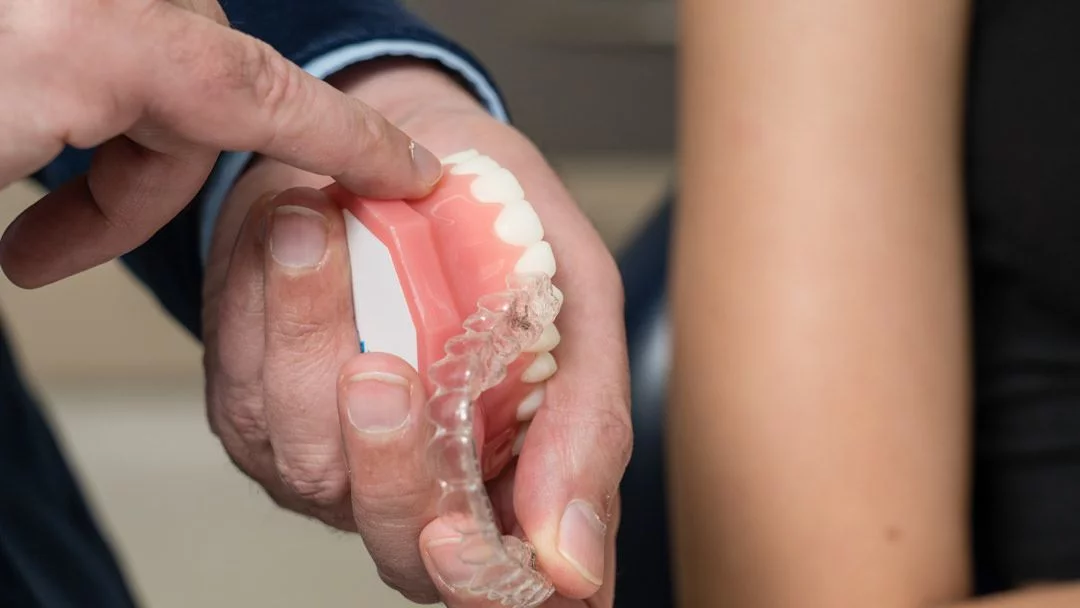
Best Oral Hygiene Routine
Given its profound impact on overall health, the discourse on the ideal oral hygiene routine is pivotal. While the consensus on brushing twice daily with fluoride toothpaste and flossing once a day stands undisputed, nuances in technique and product choice can greatly alter efficacy. For instance, the angle of brushing and the type of bristles can influence plaque removal without causing gum damage. Moreover, integrating additional practices such as tongue scraping and the use of mouthwash remains a subject of professional debate.
At justSMILE, we understand the importance of a comprehensive oral hygiene routine and are committed to helping our patients achieve optimal oral health through personalised care and education. Exploring these variables could reveal insights enhancing our daily practices and dental health.
Key Takeaways
- Brush teeth twice daily with fluoride toothpaste for plaque removal and cavity prevention.
- Floss daily to eliminate food particles and plaque between teeth, reducing gum disease risk.
- Incorporate tongue cleaning into your routine to enhance breath freshness and remove bacteria.
- Rinse thoroughly with water or mouthwash after brushing and flossing to remove residual particles.
- Visit your dentist every six months for professional cleanings and personalised oral care advice.
The Power of Oral Hygiene
The power of oral hygiene extends beyond maintaining a sparkling smile; it is essential for overall health and well-being. At justSMILE, we believe that educating our patients about the power of oral hygiene is crucial for achieving optimal oral health and preventing serious dental issues. Fundamental practices like brushing, flossing, and adopting healthy oral habits form the pillars of dental health, essential for preventing diseases.
These routines enhance aesthetic appeal and serve as a foundation for a healthier life, underscoring the importance of consistent oral care.
The Pillars of Oral Health: Brushing, Flossing, and Healthy Habits
Maintaining excellent oral health hinges on three fundamental practices: brushing, flossing, and adopting healthy lifestyle habits.
A thorough oral hygiene routine begins with brushing teeth at least twice daily, using fluoride toothpaste to combat plaque buildup, the primary culprit behind gum disease and tooth decay.
Flossing daily complements brushing by removing food particles and plaque from between teeth that a toothbrush can’t reach. Brushing and flossing are the cornerstone of good oral hygiene, essential for maintaining healthy teeth and gums.
Additionally, incorporating healthy habits such as avoiding sugary snacks and smoking can greatly strengthen dental hygiene efforts, ensuring excellent oral health and preventing the progression of gum disease.
Beyond Aesthetics: A Foundation for Overall Health
Oral hygiene enhances aesthetic appeal and serves as a critical foundation for overall health. Proper oral care is essential in preventing tooth decay and controlling the bacteria that can lead to other dental and health issues.
A healthy mouth supports overall well-being, reducing the risk of serious conditions linked to poor dental health, such as heart disease and diabetes. Health professionals emphasise the importance of regular dental check-ups and effective oral hygiene routines, including brushing and flossing.
Essential Steps for Optimal Oral Hygiene
To maintain excellent oral hygiene, a thorough routine is essential. At justSMILE, our dental professionals are dedicated to helping patients develop effective oral hygiene routines that promote optimal oral health. This regimen should include:
- Brushing basics
- Flossing to eliminate debris between teeth
- Not underestimating the significance of tongue cleaning in removing bacteria
Moreover, it is important to complete the hygiene routine with a complete rinse to wash away any leftover particles and bacteria.
Brushing Fundamentals
To maintain essential oral hygiene, it is vital to understand the fundamentals of brushing effectively.
The frequency of brushing, the techniques employed, and the choice of toothpaste all play significant roles in achieving dental health.
Each of these components contributes to the prevention of dental problems and promotes the longevity of teeth and gums.
Frequency Matters: Brushing
Understanding the proper frequency of brushing is a cornerstone of effective oral hygiene. The best oral hygiene routines recommend brushing at least two times daily. This prevents problems caused by the buildup of food particles and bacteria.
More frequent brushing can enhance this protection, especially after meals. Good oral hygiene routines involve using water to rinse, further advised by many health channels for peak dental health.
Technique Makes Perfect
While maintaining the frequency of brushing is important, mastering the correct technique is equally essential for excellent oral hygiene.
Use a soft-bristled brush to gently clean all surfaces of each tooth using small circular motions. Ensure the brush reaches the gum line, but avoid aggressive brushing to prevent gum damage.
Spend at least two minutes twice a day to effectively remove plaque and debris.
Choosing the Right Toothpaste
Selecting an appropriate toothpaste is a critical step in enhancing your daily oral health regimen. Look for products containing fluoride, which strengthens tooth enamel and helps prevent decay.
Consider your specific dental needs, such as sensitivity, whitening, or tartar control. Always choose a toothpaste approved by dental associations to guarantee effectiveness and safety.
Regularly changing types can address different oral health issues effectively.
Flossing for Complete Care
Moving from brushing to flossing, it is essential to understand that daily flossing plays an irreplaceable role in oral hygiene by removing food particles and plaque that a toothbrush cannot reach.
Mastering the flossing technique is equally important, as proper flossing not only cleans between teeth but also reduces the risk of gum disease and cavities.
Daily Flossing
Daily flossing in your oral hygiene routine removes plaque and prevents gum disease.
It helps clean areas toothbrushes can’t reach, particularly between teeth and under the gumline.
Regular flossing reduces the risk of tooth decay and enhances overall gum health.
Make sure to include this daily practice to maintain a thorough and effective oral hygiene regimen.
Mastering the Technique
Mastering the proper flossing technique is essential for effectively cleaning between teeth and preventing gum disease. Begin by winding approximately 18 inches of floss around your middle fingers, leaving a few inches to work with.
Gently curve the floss around each tooth in a ‘C’ shape and move it up and down against the side of each tooth, including below the gumline.
Don’t Forget Your Tongue
When considering a thorough oral hygiene routine, it is crucial not to overlook the importance of cleaning your tongue. Bacteria can accumulate on the tongue’s surface, contributing to bad breath and negatively impacting oral health.
A tongue scraper or a toothbrush dedicated to this purpose can effectively remove these odour-causing bacteria and debris. Start at the back of the tongue and gently pull forward, rinsing the scraper or brush after each stroke. This should be done daily to ensure the removal of bacteria and food particles that brushing and flossing might miss.
Incorporating tongue cleaning into your daily regimen enhances breath freshness and promotes a healthier mouth environment.
Rinse Very Well
After ensuring your tongue is bacteria-free, it is equally important to thoroughly rinse your mouth to remove any remaining particles and residues. This step is essential not only for fresher breath but also for preventing potential cavities and gum disease.
Use clean water to swish vigorously around your mouth to dislodge food particles and any loosened plaque. A fluoride mouthwash is advisable for added benefits like strengthening enamel and reducing bacteria levels further. Spend at least 30 seconds on this activity, ensuring that all areas of the mouth have been reached.
Rinsing should follow brushing and flossing as part of your detailed oral hygiene routine, enhancing the overall effectiveness of your daily dental care.
Additional Practices for a Healthy Mouth
Beyond basic brushing and flossing, additional practices play a vital role in maintaining a healthy mouth.
Staying hydrated and making informed dietary choices can greatly impact oral health and enhance the effectiveness of daily oral hygiene routines.
Regular dental check-ups and professional cleanings also substantially impact, helping prevent dental diseases and ensuring long-term oral health.
The Power of Hydration
Sufficient hydration is essential in maintaining excellent oral health. It supports saliva production and helps rinse away food particles and bacteria. Saliva is a critical component in the mouth’s defence system, as it not only facilitates digestion but also protects teeth from decay by neutralising acids produced by bacteria in plaque.
Drinking ample water throughout the day guarantees that saliva flow remains constant. This is necessary for maintaining oral cleanliness and preventing dry mouth, which can lead to various dental issues, including gum disease and tooth decay.
Additionally, water is a healthier rinse choice post-meals compared to sugary or acidic beverages, which can contribute to enamel erosion.
Diet Plays a Role
A balanced diet rich in vitamins and minerals is essential for maintaining a healthy mouth and preventing dental diseases. Foods high in calcium, such as dairy products, leafy greens, and almonds, strengthen teeth. Vitamin C, found in citrus fruits, tomatoes, and peppers, helps maintain the integrity of gums.
Avoiding sugars and starches is vital as they contribute to plaque build-up and tooth decay. Instead, opt for high-fibre fruits and vegetables, which increase saliva flow, naturally clean the teeth and neutralise acids. Additionally, phosphorus-rich foods like fish, eggs, and beans aid in tooth enamel repair.
Integrating these nutritional guidelines will complement your oral hygiene routine and enhance overall dental health.
Regular Dental Check-ups and Cleanings
Regular dental check-ups and cleanings are essential for detecting early signs of tooth decay and gum disease, ensuring the maintenance of excellent oral health. During these visits, dentists thoroughly examine your teeth, gums, and mouth, looking for any signs of trouble that may require intervention.
Professional cleanings by a dental hygienist can remove tartar and plaque that everyday brushing and flossing might miss, which is vital in preventing cavities and periodontal disease. Additionally, these appointments allow dentists to provide valuable advice tailored to individual oral care needs, helping to adjust home care routines effectively.
Scheduling regular visits, typically every six months, is an important step towards maintaining a healthy mouth and avoiding complex dental procedures in the future.
Reap the Rewards of a Healthy Mouth: Benefits of Good Oral Hygiene
Maintaining good oral hygiene offers a range of benefits that extend beyond just a bright smile. Regular dental care prevents common issues such as gum disease and tooth decay and boosts overall confidence with fresher breath.
In addition, there is a well-established connection between oral health and general physical health, highlighting the importance of consistent oral care practices.
Fresh Breath and Confidence: Smiling Brightly with Confidence
Embracing a thorough oral hygiene routine promotes fresh breath and boosts confidence, allowing individuals to smile with assurance. A well-maintained mouth eliminates oral odours caused by bacteria, leaving a clean, fresh sensation. This directly impacts interpersonal interactions, where a fresh breath is often equated with professionalism and attention to detail.
Additionally, the confidence gained from knowing that your breath is pleasant enhances social, professional, and romantic engagements. People are naturally drawn to others who exude self-assurance, which is greatly supported by good oral health. Therefore, maintaining an impeccable oral hygiene routine is essential for anyone looking to improve not just their dental health, but also their overall quality of life and social interactions.
Preventing Oral Health Problems: Gum Disease and More
Effective oral hygiene practices prevent gum disease and other dental health issues. Regular brushing and flossing remove plaque, a sticky film of bacteria forming on teeth. If not removed, plaque can harden into tartar, leading to gingivitis, the earliest stage of gum disease.
As gum disease progresses, it can cause more severe conditions like periodontitis, potentially resulting in tooth loss. To circumvent these issues, dental professionals recommend brushing twice daily, using fluoride toothpaste, and flossing at least once a day.
Additionally, regular dental check-ups and cleanings are vital. These visits allow dentists to monitor oral health, perform professional cleanings, and provide immediate treatment for any emerging dental conditions.
Improved Overall Health: The Link Between Your Mouth and Body
Research increasingly supports the significant connection between oral health and overall systemic health, illustrating that maintaining a healthy mouth can benefit the entire body.
Good oral hygiene prevents dental problems like cavities and gum disease and may lower the risk of serious health issues such as heart disease, diabetes, and stroke. Bacteria from inflamed gums can enter the bloodstream, potentially affecting heart arteries and causing inflammation elsewhere in the body.
Regular brushing, flossing, and dental check-ups are important in managing harmful bacteria levels. As a result, a well-maintained oral environment is essential not just for dental health but also as a significant contributor to overall physical wellness.
Crafting a Personalised Routine: Finding What Works for You
Crafting a personalised oral hygiene routine involves understanding the unique aspects of your dental health and the consistency required to maintain it.
Consulting with your dentist can provide tailored advice that caters to your needs, ensuring your routine is effective and manageable.
Making it a Habit: Consistency is Key for a Healthy Mouth
Developing a personalised oral hygiene routine requires consistency to guarantee the best health for your mouth. Establishing a daily regimen that includes brushing at least twice a day with fluoride toothpaste, flossing, and using mouthwash can dramatically improve your oral health.
Sticking to your routine without skipping days is essential, as consistency helps to prevent the build-up of plaque, which can lead to tooth decay and gum disease. Additionally, incorporating healthy habits such as drinking water after meals to wash away food particles and avoiding sugary snacks can support your oral hygiene efforts.
Consulting Your Dentist: Personalised Advice for Your Unique Needs
Consulting with a professional is essential to guaranteeing your oral hygiene routine customised to your specific needs.
At justSMILE Dental Clinic, our experienced dentists can assess your dental health and guide you in creating an effective, personalised oral care plan.
This approach enhances your daily regimen and addresses unique dental challenges you may face.
justSMILE Dental Clinic Can Help You Create a Winning Oral Hygiene Routine
At justSMILE Dental Clinic, our team of experts excels in designing personalised oral hygiene routines that cater to each patient’s unique needs.
By consulting with our dentists, individuals receive tailored advice that optimizes their dental health strategies.
Emphasizing preventive care and proper techniques, we guarantee each routine is effective, sustainable, and perfectly suited to enhance your oral health.
Frequently Asked Questions
How Often Should I Replace My Toothbrush?
It is recommended to replace your toothbrush or electric toothbrush head every three to four months, or sooner if the bristles become frayed or worn. A worn-out toothbrush is less effective at removing plaque and bacteria.
Is It Better to Brush or Floss First?
The order of brushing and flossing is a matter of personal preference, as both are essential for maintaining good oral hygiene. Some dental professionals recommend flossing first to remove plaque and food particles between teeth, followed by brushing to clean the surfaces of the teeth.
Can Mouthwash Replace Brushing or Flossing?
No, mouthwash should not be used as a substitute for brushing or flossing. While mouthwash can help reduce bacteria and freshen breath, it cannot effectively remove plaque and food particles like brushing and flossing can.
Are Electric Toothbrushes Better Than Manual Ones?
Electric toothbrushes can be more effective at removing plaque and reducing the risk of gum disease compared to manual toothbrushes. However, with proper technique, a manual toothbrush can still provide excellent cleaning. The best toothbrush is one that you will use consistently and correctly.
How Can I Maintain Fresh Breath Throughout the Day?
In addition to maintaining a good oral hygiene routine, you can promote fresh breath by staying hydrated, avoiding tobacco products, and limiting sugary and acidic foods. Chewing sugar-free gum or using a tongue scraper can also help freshen breath between brushings.
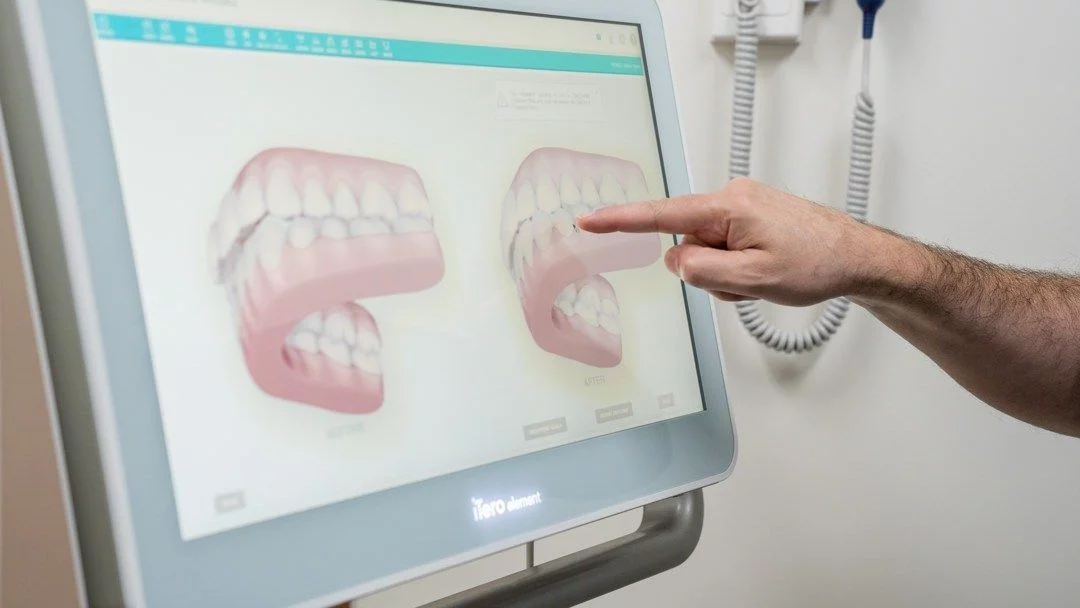
Can Gum Disease Make You Sick?
Whether gum disease can contribute to broader health issues is gaining attention in medical communities worldwide. While traditionally viewed as a localised oral health problem, emerging research suggests a correlation between periodontal disease and systemic health complications, including cardiovascular diseases, diabetes, and respiratory conditions. This connection is hypothesised to be due to the inflammatory processes and bacteria that escape from diseased gums into the bloodstream, potentially initiating or exacerbating other health issues.
At justSMILE, we understand the importance of addressing gum disease not only for oral health but also for overall well-being. Given these implications, exploring the depth and scope of these associations could be vital for developing inclusive health strategies that incorporate oral health as a component of overall well-being.
Key Takeaways
- Gum disease can increase the risk of cardiovascular diseases, such as heart attacks and strokes.
- Inflammation from gum infections may contribute to respiratory conditions.
- Gum disease in diabetic patients can lead to elevated blood glucose levels.
- Bacteria from inflamed gums can potentially reach the brain, exacerbating cognitive decline.
- The systemic inflammation caused by gum disease can also lead to complications during pregnancy.
Understanding Gum Disease
Gum disease, or periodontal disease, progresses through various stages, each presenting unique challenges and risks. At justSMILE, we believe that understanding the stages of gum disease is crucial for early detection and intervention, which can prevent serious oral health complications.
Initially, it may appear as mild gingivitis, characterised by redness and swelling of the gums. It is easily overlooked yet reversible with proper care.
As it advances, the damage becomes more severe, potentially leading to tooth loss and significant bone deterioration, emphasising the necessity for early detection and intervention.
Stages of Gum Disease: From Mild Irritation to Serious Damage
Gum disease, a common yet preventable condition, progresses through distinct stages, each escalating in severity and potential health implications.
Initially, it presents as gingivitis, marked by gum inflammation and bleeding, which can often be reversed with proper oral hygiene and professional care.
If left untreated, it can advance to periodontitis, where deeper structural damage and irreversible effects occur, highlighting the importance of early detection and intervention.
Gingivitis: The Early Warning Sign
Gingivitis, typically the initial stage of gum disease, is a critical early warning sign of potential oral health deterioration. Characterised by swollen gums, this condition can make gums tender and more prone to bleeding during brushing.
If untreated, gingivitis can cause further dental health issues, potentially progressing to periodontal disease, thereby impacting overall health. Recognising and addressing gingivitis early is essential for maintaining oral and dental health.
Periodontitis: Advanced Gum Disease and Its Consequences
Progressing beyond gingivitis, periodontitis represents a severe form of gum disease with significant oral and systemic health implications. This advanced gum disease can lead to dire consequences, including loss of dental implants and an increased risk of infection.
Diseases could escalate as periodontal disease exacerbates, potentially making you sick by spreading bacteria through the bloodstream, implicating overall health beyond just the gums.
Causes of Gum Disease: Oral Bacteria
Oral bacteria play a pivotal role in gum disease development, primarily through dental plaque formation. At justSMILE, we educate our patients about the importance of managing plaque build-up to prevent the onset and progression of gum disease.
If plaque is not adequately removed, it can harden into tartar, greatly exacerbating the risk of gum inflammation and disease.
Addressing plaque build-up promptly is essential to prevent its progression to more severe gum conditions.
Plaque Build-up
Plaque build-up, mainly caused by oral bacteria, is frequently a key instigator of gum disease. This accumulation of plaque, a sticky film of bacteria, can lead to serious dental health issues if not addressed.
Gingivitis, the initial stage of gum disease, can inflame the gums, making them swollen and prone to bleeding. If left untreated, it can advance to periodontitis, a more severe gum disease. Periodontitis can greatly damage the soft tissue and bone supporting the teeth, potentially leading to tooth loss.
The presence of periodontal disease emphasizes how crucial it is to manage oral hygiene. Plaque build-up affects oral health and can make people sick, highlighting why maintaining dental care is essential for overall health.
Untreated Plaque
When not removed, plaque harbours bacteria that can initiate and exacerbate gum disease. This persistent biofilm, primarily composed of bacteria, adheres to the teeth and gums, gradually undermining the health of the oral cavity.
If left untreated, the bacteria in plaque not only inflame the gums but can also seep into the bloodstream. By influencing blood sugar control mechanisms, they may worsen other health conditions, such as diabetes.
The systemic impact of untreated plaque does not stop at gum disease; it extends to potentially deteriorating overall health. Addressing this issue is vital to maintaining oral hygiene and promoting a holistic health approach that enhances daily well-being.
Gum Disease and Heart Disease
Emerging research suggests a significant link between gum disease and heart disease, highlighting the potential systemic impact of oral health conditions.
Investigating the possible mechanisms, scientists propose that inflammation caused by gum disease may contribute to the development of cardiovascular problems.
This connection underscores the importance of maintaining oral hygiene not just for dental health but also for overall cardiovascular wellness.
Studies Suggest a Link
Research indicates a significant correlation between gum disease and an increased risk of heart disease. Numerous studies have found that individuals with periodontal disease, commonly known as gum disease, are more likely to suffer from cardiovascular conditions compared to those with healthy gums. This connection has been consistently observed across different populations and age groups, suggesting a robust link.
While the specific causal mechanisms are not detailed here, the statistical association highlights the importance of oral health as a potential factor in heart health. Healthcare professionals often emphasise the need for regular dental check-ups to maintain oral hygiene and as a preventative measure against broader health issues, including heart disease. This underscores the broader health implications of gum health.
Possible Mechanisms
Understanding the potential mechanisms linking gum disease to heart disease involves exploring the role of inflammation and bacterial dissemination from infected gums.
When gums are inflamed due to periodontal disease, bacteria can enter the bloodstream and potentially reach the heart. They may adhere to the inner linings or valves, inciting further inflammatory responses.
This process, termed bacteremia, can enhance the formation of arterial plaques, which are significant contributors to cardiovascular diseases such as atherosclerosis.
The inflammatory substances released in response to gum infection can also increase systemic inflammation, further exacerbating heart conditions.
These insights suggest that maintaining oral health is essential for preventing dental problems and critical for mitigating risks associated with heart disease.
Gum Disease and Other Concerns
Gum disease extends its impact beyond oral health, influencing several systemic conditions with surprising connections.
For instance, research indicates a bidirectional relationship between diabetes and gum disease, where each condition has the potential to exacerbate the other.
Additionally, emerging studies suggest a link between gum disease and Alzheimer’s, further emphasising the importance of oral health in overall well-being.
The Two-Way Street: Diabetes and Gum Disease
The relationship between diabetes and gum disease is particularly bidirectional, affecting oral health and blood sugar control. Individuals with diabetes are at a higher risk for periodontal diseases due to the potential for decreased blood circulation, which can impair the gingiva’s ability to heal.
Conversely, severe gum disease can elevate blood glucose levels, complicating the management of diabetes. This interaction necessitates stringent oral hygiene and regular dental check-ups for those with diabetes to prevent periodontitis, which can exacerbate their glycaemic control issues.
Early detection and treatment of gum disease are critical in breaking this cycle, reducing the risk of complications, and promoting overall health stability in diabetic patients. Managing one effectively helps the other, underscoring the importance of integrated healthcare approaches.
Gum Disease and Alzheimer’s
Emerging research suggests a potential link between periodontal disease and an increased risk of developing Alzheimer’s disease. This connection is thought to stem from the inflammatory nature of gum disease. Bacteria from inflamed gums may enter the bloodstream or even nerve channels, potentially reaching the brain.
Studies indicate that these bacteria can lead to the production of brain plaques associated with Alzheimer’s. Moreover, the chronic inflammation seen in periodontal disease might also contribute to inflammation in the brain, exacerbating cognitive decline.
While definitive conclusions are yet to be reached, the implications of these findings underscore the importance of maintaining oral health not only for dental well-being but also as a preventative measure against neurological decline.
Beyond the Smile
Understanding the potential neurological impacts of periodontal disease leads us to further explore its broader implications on general health and other bodily systems. Research reveals that gum disease is not confined to oral health alone but is linked with several systemic conditions.
For instance, individuals with periodontal disease have a higher likelihood of developing cardiovascular diseases, such as heart attacks or strokes. This association is primarily due to the inflammation caused by gum infections, which can contribute to the build-up of arterial plaques.
Additionally, a noted correlation exists between gum disease and respiratory conditions, diabetes, and pregnancy complications, emphasising the need for thorough oral hygiene. Therefore, maintaining healthy gums is essential for dental health and overall well-being.
Early Detection and Intervention: Preventing and Treating Gum Disease
Early detection and intervention are critical in effectively preventing and managing gum disease. Regular dental check-ups enable professionals to spot the early signs of gum disease and initiate treatment promptly.
Maintaining a strong oral hygiene routine, including proper brushing and flossing, is essential in preventing the onset and progression of this condition.
Regular Dental Check-ups
Regular dental check-ups are essential for early detection and intervention in preventing and treating gum disease. During these visits, dentists meticulously examine the gums for signs of inflammation, bleeding, or deep pockets, which are early indicators of periodontitis.
These professionals use tools and techniques to evaluate pocket depths around teeth, gauging the severity of existing conditions. X-rays may also be part of the examination to view bone loss around teeth, further aiding in diagnosing gum disease.
Early detection through routine check-ups allows for prompt treatment, which can range from professional cleaning to more advanced interventions, depending on the severity. Thus, the risk of progression and associated health complications is reduced.
Maintaining a Strong Oral Hygiene Routine
Maintaining a strong oral hygiene routine is essential for the prevention and early treatment of gum disease. Effective oral care involves brushing twice daily with fluoride toothpaste, flossing daily, and using an antiseptic mouthwash to reduce bacterial plaque.
These steps help remove food particles and minimise plaque build-up, which is a primary cause of gum disease. Additionally, early detection through regular dental check-ups allows for the prompt treatment of any onset of gum disease, preventing its progression.
It’s also advisable to replace your toothbrush every three to four months and to use a soft-bristled brush to avoid irritating the gums. Implementing these practices will greatly reduce the risk of developing gum-related illnesses.
When Specialised Care is Needed
When gum disease progresses beyond the mild stage, it often requires the expertise of a specialist.
Periodontists, such as those at justSMILE, are professionals who specialise in treating gum disease and related conditions.
These specialists are well-regarded for their depth of knowledge and effectiveness in handling complex cases where general dentistry might not suffice.
Periodontists
Periodontists are dental specialists who focus on preventing, diagnosing, and treating periodontal disease and placing dental implants. They receive additional training beyond dental school, typically three years, to become experts in the complex structures supporting teeth, including gums and bone.
Their expertise is essential in treating more severe or complicated periodontal cases that general dentists may not be equipped to handle. Periodontists also play an important role in the placement and maintenance of dental implants, ensuring that they integrate properly with the jawbone.
justSMILE is a Tested and Trusted Gum Disease Specialist
At justSMILE, we offer trusted and rigorously tested speciality care for those facing advanced gum disease. As recognised leaders in periodontal treatment, our team at justSMILE provides personalised approaches to combat the progression of gum disease, enhancing overall oral health.
Our specialists are certified and have years of experience in the latest periodontal procedures, ensuring patients receive the most thorough care. Our clinic has state-of-the-art technology that aids in accurate diagnosis and thorough care.
At justSMILE our commitment to excellence is reflected in our proactive communication, which educates patients about their condition and the steps necessary for improvement. Trust us for our dedication to restoring dental health with precision, expertise, and compassionate care.
Frequently Asked Questions
Can Gingivitis Make You Sick?
Yes, gingivitis, the early stage of gum disease, can make you sick. The bacteria from inflamed gums can enter the bloodstream and contribute to systemic health issues like heart disease, diabetes, and respiratory conditions.
How Does Gum Disease Affect the Heart?
Gum disease can affect the heart by increasing inflammation in the body. Bacteria from infected gums can enter the bloodstream, potentially contributing to the development of arterial plaques, which can lead to heart attacks and strokes.
Can Gum Disease Affect Pregnancy?
Yes, gum disease can affect pregnancy. Hormonal changes during pregnancy can make gums more susceptible to inflammation. Additionally, the bacteria from gum disease can enter the bloodstream and potentially cause complications like premature birth or low birth weight.
Is Gum Disease Reversible?
In its early stages, such as gingivitis, gum disease is reversible with proper oral hygiene and professional care. However, advanced stages like periodontitis may cause irreversible damage to the gums and supporting structures, requiring more extensive treatment.
How Can I Prevent Gum Disease?
You can prevent gum disease by maintaining a strong oral hygiene routine, including brushing twice daily, flossing daily, and using an antiseptic mouthwash. Regular dental check-ups are also essential for early detection and intervention.
How to Prevent Gum Disease
Gum disease, a silent threat to oral health, affects millions of people worldwide. While often overlooked, periodontitis can lead to severe consequences if left untreated, including tooth loss and an increased risk of systemic health issues. Fortunately, with the right knowledge and proactive measures, gum disease is largely preventable. In this thorough guide, we will explore the intricacies of gum disease, equipping you with the tools and strategies necessary to maintain a healthy, vibrant smile for years to come. Join us as we uncover the secrets to excellent oral health and discover how JustSmile can support you on this journey.
Understanding the Threat: Gum Disease (Periodontitis) Explained
Gum disease, also known as periodontitis, is a serious oral health condition that goes beyond simple inflammation of the gums. It progresses through various stages, each more significant than the last, and can ultimately lead to tooth loss if left untreated.
While many factors contribute to the development of gum disease, understanding the primary causes is essential for prevention and effective management.
Beyond Inflamed Gums: The Stages of Gum Disease
Beyond the initial signs of inflammation, gum disease progresses through distinct stages that can ultimately threaten the health and longevity of your teeth. The early stage, known as gingivitis, is characterised by red, swollen, and bleeding gums. If left untreated, gingivitis can advance to periodontitis, a more severe form of gum disease.
The stages of periodontitis include:
- Early periodontitis: Gums begin to pull away from the teeth, forming pockets that trap bacteria.
- Moderate periodontitis: Bone loss around the teeth becomes evident, and teeth may start to loosen.
- Advanced periodontitis: Significant bone loss occurs, and teeth may become highly mobile or even fall out.
- Aggressive periodontitis: A rapid and severe form of gum disease that can affect otherwise healthy individuals.
To prevent the progression of gum disease, it is essential to maintain good oral hygiene habits, such as brushing twice daily, flossing regularly, and scheduling routine dental check-ups.
The Culprit Behind the Scenes: Causes of Gum Disease
Beneath the surface of our gums, a complex interplay of factors contributes to the development and progression of gum disease. The primary culprit is the accumulation of plaque and tartar, which harbour harmful bacteria that irritate the gums, causing inflammation and bleeding – the initial symptoms of gum disease.
Poor oral hygiene habits, such as inadequate brushing and flossing, allow plaque to build up and harden into tartar, which can only be removed by a dental professional. Other risk factors include smoking, diabetes, hormonal changes, and certain medications that reduce saliva flow.
As the disease progresses, the gums pull away from the teeth, creating pockets that trap more bacteria and lead to the destruction of the supporting bone structure. Preventing gum disease requires a combination of diligent at-home care, including brushing twice daily with a soft-bristled toothbrush and flossing regularly, along with routine professional cleanings and check-ups.
Building a Defence: Gum Disease Prevention Strategies
Maintaining healthy gums and preventing the onset of gum disease requires a multifaceted approach. This combines effective oral hygiene practices with lifestyle modifications.
Brushing and flossing form the foundation of this preventive strategy. They work together to remove plaque and food particles from tooth surfaces and the spaces between teeth.
Additionally, adopting a balanced diet low in sugar and scheduling regular dental check-ups are essential components in the fight against gum disease.
Brushing Basics: The Power of Proper Brushing Technique
Effective brushing technique forms the foundation of a robust oral hygiene routine, playing an essential role in preventing gum disease and maintaining overall dental health.
Proper brushing is a basic yet powerful way to reduce the risk of gum disease and keep your gums healthy. To make sure you’re brushing effectively, consider the following tips:
- Hold your toothbrush at a 45-degree angle to your gums
- Use gentle, circular motions to brush your teeth and gums
- Brush for at least two minutes, twice a day
- Replace your toothbrush every three to four months or sooner if the bristles become frayed
- Don’t forget to brush your tongue to remove bacteria and freshen your breath.
Flossing Fundamentals: Reaching Beyond the Brush
While brushing is a crucial component of oral hygiene, flossing complements your brushing routine by removing plaque and food particles that your toothbrush cannot reach. Dental floss is designed to clean the tight spaces between teeth and along the gumline, areas where tooth decay and gum disease often begin.
By incorporating flossing into your daily oral hygiene regimen, you can greatly reduce your risk of developing gingivitis, the early stage of periodontal disease.
Proper flossing technique involves gently guiding the floss between teeth, curving it around each tooth in a C-shape, and sliding it up and down the sides of the teeth, including just beneath the gumline. This process helps to dislodge and remove plaque, preventing its buildup and subsequent hardening into tartar.
Regular interdental cleaning, combined with thorough brushing, is essential for maintaining excellent oral health and preventing the onset of tooth decay and gum disease. By making flossing a daily habit, you can take a proactive step towards preserving your smile and overall well-being.
Maintaining a Healthy Diet: Limiting Sugar for a Healthy Smile
In addition to maintaining a diligent oral hygiene routine, adopting a balanced, nutrient-rich diet that limits sugar intake is essential for preventing gum disease and promoting overall oral health. A healthy diet plays an important role in maintaining strong teeth and healthy gums, as the foods we consume directly impact our dental health.
Here are some key points to keep in mind when aiming for a healthy smile through nutrition:
- Focus on consuming a balanced diet rich in vitamins, minerals, and fibre
- Limit sugar intake, as sugary foods and drinks contribute to tooth decay and gum disease
- Choose nutrient-dense foods like fruits, vegetables, whole grains, and lean proteins
- Avoid snacking on sugary or starchy foods between meals, as this prolongs acid attacks on teeth
- Drink plenty of water to help rinse away food particles and maintain a healthy oral environment
Don’t Skip the Check-ups: Regular Dental Care is Key
A fortress of oral health relies on the cornerstone of regular dental check-ups and cleanings, which serve as a critical line of defence in preventing gum disease and maintaining a healthy smile. Routine dental visits, typically recommended every six months, allow your dentist to monitor your oral health closely and identify any early signs of gum disease.
During these appointments, professional cleanings remove plaque and tartar buildup that regular brushing and flossing may miss, reducing the risk of gum inflammation and infection. By catching gum disease in its early stages, your dentist can provide targeted preventive care and treatment to halt its progression and protect your gums and teeth.
Skipping dental check-ups can allow gum disease to develop unchecked, leading to more severe consequences such as tooth loss and systemic health issues. Prioritising regular dental care and maintaining a consistent schedule of check-ups and cleanings is a proactive investment in your oral health, ensuring that your smile remains healthy and strong.
Spotting the Signs: Symptoms of Gum Disease to Watch For
Gum disease, a common oral health issue, can progress from mild to severe if left unchecked. In its early stages, known as gingivitis, symptoms may include red, swollen, or bleeding gums, especially when brushing or flossing.
As the condition advances to periodontitis, more serious signs emerge, such as persistent bad breath, receding gums, loose or shifting teeth, and changes in bite alignment.
Early Warning Signals: Signs and Symptoms of Gingivitis
Recognising the early warning signs of gingivitis is vital for maintaining excellent oral health and preventing the progression to more severe forms of gum disease. Gingivitis is characterised by several distinct symptoms that should not be ignored. Be on the lookout for these common signs of early gum inflammation:
- Red, swollen, or puffy gums that may appear inflamed
- Gums that bleed easily during brushing or flossing
- Tenderness or sensitivity in the gum tissue
- Receding gumline, making teeth appear longer
- Persistent bad breath or an unpleasant taste in the mouth
If you notice any of these symptoms, it’s essential to take action promptly. Gingivitis is reversible with proper oral hygiene practices and professional dental care.
By addressing the early warning signs, you can prevent the development of periodontitis, a more advanced and damaging form of gum disease. Regular brushing, flossing, and dental check-ups are key to maintaining healthy gums and catching any potential issues early on.
Don’t ignore these red flags – take proactive steps to protect your gum health and preserve your beautiful smile.
Beyond Bleeding Gums: Symptoms of Advanced Gum Disease (Periodontitis)
While gingivitis is a mild form of gum disease, untreated inflammation can progress to periodontitis, a more severe condition with additional symptoms that require immediate attention.
Advanced gum disease, or periodontitis, is characterised by more than just bleeding gums. As the infection spreads and affects the deeper tissues and bone supporting the teeth, you may notice gum recession, where the gums pull away from the teeth, making them appear longer. Loose teeth or changes in bite alignment can also occur as the disease progresses.
Pain, swelling, and increased sensitivity to temperature are common symptoms of periodontitis. Additionally, persistent bad breath or a foul taste in the mouth may be present. If you experience any of these signs, it’s essential to seek professional dental care promptly.
Early intervention is key to preventing further damage and preserving your oral health. Remember, maintaining good oral hygiene habits and regular dental check-ups can help prevent the progression of gum disease and protect your smile in the long run.
Maintaining a Healthy Smile: Beyond Prevention
Maintaining a healthy smile involves more than just preventive measures like brushing and flossing. Certain lifestyle choices and health conditions can greatly impact your oral health, particularly the well-being of your gums. Let’s explore how quitting smoking, managing diabetes, and adopting a healthy lifestyle can contribute to a radiant, disease-free smile.
Quitting Smoking: A Major Boost for Oral Health
Cigarette smoking and tobacco use pose a significant threat to oral health, increasing the risk of gum disease, tooth decay, and other serious dental problems. Quitting smoking is one of the most impactful steps you can take to prevent gum disease and maintain healthy gums.
The toxins in tobacco products weaken the immune system, making it harder for your body to fight off harmful bacteria in the mouth. This allows plaque and tartar to accumulate more easily, leading to periodontal health issues. When you quit smoking, your body’s natural defences can recover, helping to protect your teeth and gums from damage.
Some key benefits of smoking cessation for dental health include:
- Reduced risk of developing gum disease and tooth decay
- Faster healing after dental procedures
- Improved breath and taste sensation
- Whiter, brighter teeth
- Lower risk of tooth loss and the need for costly dental treatments
Managing Existing Conditions: Controlling Diabetes for Gum Health
In addition to preventive measures, effectively managing chronic health conditions like diabetes plays an important role in promoting gum health and maintaining a vibrant smile. Diabetes can greatly impact periodontal health, as elevated blood sugar levels contribute to inflammation and weaken the body’s ability to fight infection. This increased susceptibility to gum disease makes it essential for individuals with diabetes to prioritise their oral hygiene and dental care.
Maintaining tight glycemic control is essential in reducing the risk of periodontal complications associated with diabetes. Regular dental check-ups, coupled with diligent brushing and flossing habits, can help prevent the onset and progression of gum disease.
By working closely with both their dental and healthcare providers, people with diabetes can develop personalised strategies to optimise their oral health and minimise the potential for serious complications. Through a proactive approach that combines preventive measures with effective management of underlying health conditions, individuals can protect their gums, preserve their smiles, and enhance their overall well-being.
Maintaining a Healthy Lifestyle: Sleep, Stress, and Your Smile
Beyond preventive dental care and managing existing health conditions, adopting a healthy lifestyle is essential for maintaining excellent gum health and a radiant smile. Gum disease prevention goes hand in hand with overall wellness, and incorporating healthy habits into your daily routine can have a profound impact on your oral health.
Consider the following tips for maintaining a healthy lifestyle that supports your smile:
- Prioritise quality sleep to allow your body, including your gums, to heal and regenerate
- Manage stress through relaxation techniques, as chronic stress can weaken your immune system and increase susceptibility to gum disease.
- Maintain a balanced diet rich in vitamins and minerals that support oral health.
- Exercise regularly to boost circulation and promote overall health, which in turn benefits your gums.
- Avoid smoking and excessive alcohol consumption, as these habits can compromise your oral health.
When to Consult Your Dentist
If you suspect that you may be suffering from gum disease, it’s important to consult with a trusted dental provider. justSMILE offers thorough periodontal care, with experienced dentists who specialise in diagnosing and treating gum disease.
Suffering from Gum Disease? Consult with justSMILE Today!
When experiencing symptoms of gum disease, such as persistent bad breath, tender or bleeding gums, or loose teeth, it’s essential to seek professional dental care from a trusted provider like justSMILE. Our experienced team of dental professionals is dedicated to helping patients prevent and treat gum disease, offering personalised care and advanced treatment options.
Here are some key points to keep in mind when considering how to prevent gum disease:
- Brush your teeth twice daily with fluoride toothpaste and a soft-bristled brush
- Floss at least once a day to remove plaque and food particles between teeth
- Use an antibacterial mouthwash to reduce harmful bacteria in the mouth
- Maintain a balanced diet low in sugary and acidic foods and drinks
- Schedule regular dental check-ups and cleanings with your justSMILE dentist
In most cases, gum disease is preventable with proper oral hygiene and regular dental care. However, if left untreated, it can lead to more serious health issues. By partnering with justSMILE, you can take proactive steps to maintain healthy gums and prevent the onset or progression of gum disease, ensuring a lifetime of excellent oral health. To schedule an appointment, contact us today!

Achieve a Stunning Smile in the New Year with Dr. Rammo, a Cosmetic Dentist in Ramsgate Beach
As the new year begins, many of us set goals to enhance our appearance and boost our confidence. A great smile is one of the most effective ways to achieve both. If you’re looking to transform your smile in the new year, start by scheduling a consultation with Dr. Abir Rammo, of justSMILE, cosmetic dentist in Ramsgate Beach. Here’s everything you need to know about improving the appearance of your smile.
Why Choose a Cosmetic Dentist in Ramsgate Beach?
Ramsgate Beach offers a range of experienced dental professionals dedicated to helping you maintain and enhance your oral health. Dr. Abir Rammo is a local dentists provide personalized care and use the latest technology to ensure you achieve optimal results.
Benefits of Seeing a Local Dentist
- Convenient Location: Easy access for residents of Ramsgate Beach and surrounding areas. A nearby clinic makes appointments and follow-ups easier to manage.
- Community Trust: Local dentists build lasting relationships with their patients, ensuring personalized care.
- Personalized Care: Local dentists take the time to understand your unique needs.
- State-of-the-Art Technology: Modern equipment for precise and comfortable treatments. Dr. Rammo has invested in state-of-the-art equipment to provide top-tier services.
Common Cosmetic Dental Procedures to Enhance Your Smile
Cosmetic dentistry offers a range of procedures tailored to meet individual needs. Below are some of the most popular treatments available in Ramsgate Beach:
1. Teeth Whitening:
Professional teeth whitening is one of the quickest ways to brighten your smile. Unlike over-the-counter products, in-office whitening treatments deliver noticeable results in just one session.
2. Porcelain Veneers
Veneers are thin shells of porcelain that cover the front of your teeth to mask imperfections like discoloration, chips, or gaps. They’re a popular choice for achieving a natural, flawless smile.
3. Invisalign
For those looking to straighten their teeth discreetly, Invisalign aligners are an excellent option. These clear, removable aligners are virtually invisible and more comfortable than traditional braces.
4. Dental Implants
Dental implants are a permanent solution for missing teeth. They provide a natural look and feel, improving both the function and aesthetics of your smile.
5. Cosmetic Bonding
This procedure uses a tooth-colored resin to repair chips, cracks, or minor gaps. It’s a cost-effective way to enhance your smile without extensive dental work.
Benefits of Cosmetic Dentistry
Investing in your smile offers numerous benefits that go beyond aesthetics. Here are some advantages of visiting a cosmetic dentist in Ramsgate Beach:
- Boosted Confidence: A great smile enhances your self-esteem in personal and professional interactions.
- Improved Oral Health: Many cosmetic treatments also address underlying dental issues, promoting better oral hygiene.
- Long-Lasting Results: Modern cosmetic procedures are designed to provide durable and lasting improvements.
How to Choose the Best Cosmetic Dentist in Ramsgate Beach
Selecting the right cosmetic dentist is crucial for achieving your desired results. Consider the following factors:
- Experience and Qualifications: Look for a dentist with specialized training and a proven track record in cosmetic procedures.
- Patient Reviews: Check online testimonials and reviews to gauge patient satisfaction.
- Before-and-After Photos: Request to see examples of the dentist’s previous work and dental case studies to assess their expertise.
- Technology and Facilities: Ensure the clinic uses modern equipment and adheres to high standards of care.
- Comfort: Choose a dentist who makes you feel at ease during appointments.
Preparing for Your First Appointment
Before your first visit to a cosmetic dentist, it’s important to be prepared. Here’s what to expect:
- Initial Consultation: The dentist will discuss your goals, examine your teeth, and recommend suitable treatments.
- Comprehensive Examination: This may include X-rays or digital scans to evaluate your oral health.
- Customized Treatment Plan: You’ll receive a detailed plan outlining the recommended procedures, timeline, and costs.
Maintaining Your New Smile
After investing in cosmetic dentistry, it’s essential to maintain your results. Follow these tips to keep your smile looking its best:
- Brush and floss daily to prevent plaque buildup.
- Avoid foods and drinks that can stain your teeth, such as coffee, tea, and red wine.
- Schedule regular dental check-ups and cleanings.
- Use a whitening toothpaste to maintain the brightness of your teeth.
Frequently Asked Questions
How much does cosmetic dentistry cost in Ramsgate Beach?
The cost varies depending on the procedure and the complexity of your case. During your consultation, your dentist will provide a detailed estimate.
Is cosmetic dentistry painful?
Most cosmetic procedures are minimally invasive and involve little to no discomfort. Your dentist will ensure you’re comfortable throughout the process.
How long do cosmetic dental treatments take?
The timeline depends on the specific treatment. Teeth whitening can be completed in one session, while veneers or Invisalign may require multiple visits.
Contact Dr. Rammo at justSMILE and Start the New Year with a Stunning Smile
A beautiful smile is a powerful asset that can transform your confidence and quality of life so don’t wait to prioritize your dental health and confidence. With an experienced cosmetic dentists available in Ramsgate Beach, achieving your dream smile has never been easier. Whether you’re considering teeth whitening, veneers, or dental implants, now is the perfect time to invest in yourself. Looking for a cosmetic dentist in Ramsgate Beach? Reach out to our friendly team to schedule your appointment. We’re here to help you achieve a healthy, beautiful smile that lasts.