
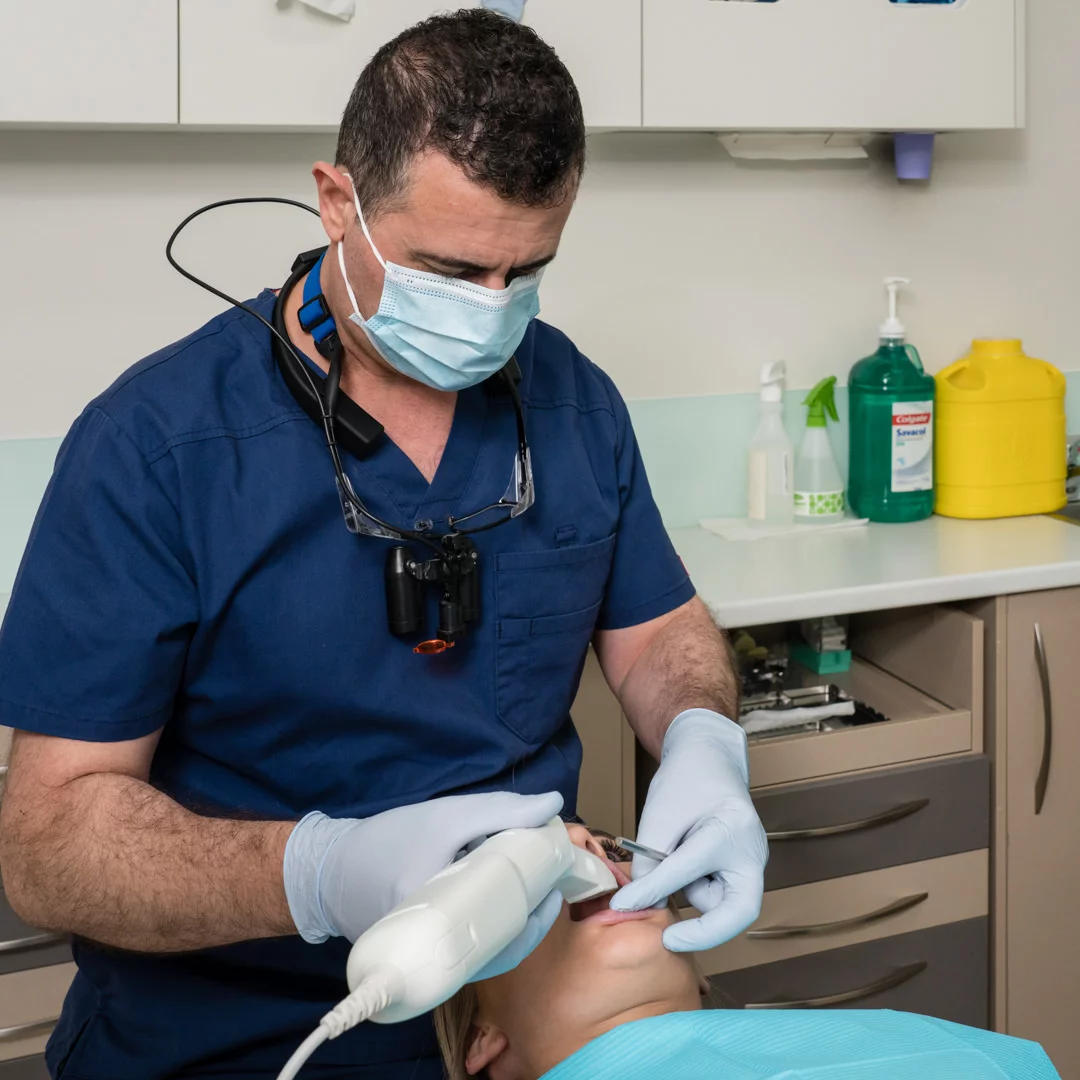
Gum disease, a silent threat to oral health, affects millions of people worldwide. While often overlooked, periodontitis can lead to severe consequences if left untreated, including tooth loss and an increased risk of systemic health issues. Fortunately, with the right knowledge and proactive measures, gum disease is largely preventable. In this thorough guide, we will explore the intricacies of gum disease, equipping you with the tools and strategies necessary to maintain a healthy, vibrant smile for years to come. Join us as we uncover the secrets to excellent oral health and discover how JustSmile can support you on this journey.
Understanding the Threat: Gum Disease (Periodontitis) Explained
Gum disease, also known as periodontitis, is a serious oral health condition that goes beyond simple inflammation of the gums. It progresses through various stages, each more significant than the last, and can ultimately lead to tooth loss if left untreated.
While many factors contribute to the development of gum disease, understanding the primary causes is essential for prevention and effective management.
Beyond Inflamed Gums: The Stages of Gum Disease
Beyond the initial signs of inflammation, gum disease progresses through distinct stages that can ultimately threaten the health and longevity of your teeth. The early stage, known as gingivitis, is characterised by red, swollen, and bleeding gums. If left untreated, gingivitis can advance to periodontitis, a more severe form of gum disease.
The stages of periodontitis include:
- Early periodontitis: Gums begin to pull away from the teeth, forming pockets that trap bacteria.
- Moderate periodontitis: Bone loss around the teeth becomes evident, and teeth may start to loosen.
- Advanced periodontitis: Significant bone loss occurs, and teeth may become highly mobile or even fall out.
- Aggressive periodontitis: A rapid and severe form of gum disease that can affect otherwise healthy individuals.
To prevent the progression of gum disease, it is essential to maintain good oral hygiene habits, such as brushing twice daily, flossing regularly, and scheduling routine dental check-ups.
The Culprit Behind the Scenes: Causes of Gum Disease
Beneath the surface of our gums, a complex interplay of factors contributes to the development and progression of gum disease. The primary culprit is the accumulation of plaque and tartar, which harbour harmful bacteria that irritate the gums, causing inflammation and bleeding – the initial symptoms of gum disease.
Poor oral hygiene habits, such as inadequate brushing and flossing, allow plaque to build up and harden into tartar, which can only be removed by a dental professional. Other risk factors include smoking, diabetes, hormonal changes, and certain medications that reduce saliva flow.
As the disease progresses, the gums pull away from the teeth, creating pockets that trap more bacteria and lead to the destruction of the supporting bone structure. Preventing gum disease requires a combination of diligent at-home care, including brushing twice daily with a soft-bristled toothbrush and flossing regularly, along with routine professional cleanings and check-ups.
Building a Defence: Gum Disease Prevention Strategies
Maintaining healthy gums and preventing the onset of gum disease requires a multifaceted approach. This combines effective oral hygiene practices with lifestyle modifications.
Brushing and flossing form the foundation of this preventive strategy. They work together to remove plaque and food particles from tooth surfaces and the spaces between teeth.
Additionally, adopting a balanced diet low in sugar and scheduling regular dental check-ups are essential components in the fight against gum disease.
Brushing Basics: The Power of Proper Brushing Technique
Effective brushing technique forms the foundation of a robust oral hygiene routine, playing an essential role in preventing gum disease and maintaining overall dental health.
Proper brushing is a basic yet powerful way to reduce the risk of gum disease and keep your gums healthy. To make sure you’re brushing effectively, consider the following tips:
- Hold your toothbrush at a 45-degree angle to your gums
- Use gentle, circular motions to brush your teeth and gums
- Brush for at least two minutes, twice a day
- Replace your toothbrush every three to four months or sooner if the bristles become frayed
- Don’t forget to brush your tongue to remove bacteria and freshen your breath.
Flossing Fundamentals: Reaching Beyond the Brush
While brushing is a crucial component of oral hygiene, flossing complements your brushing routine by removing plaque and food particles that your toothbrush cannot reach. Dental floss is designed to clean the tight spaces between teeth and along the gumline, areas where tooth decay and gum disease often begin.
By incorporating flossing into your daily oral hygiene regimen, you can greatly reduce your risk of developing gingivitis, the early stage of periodontal disease.
Proper flossing technique involves gently guiding the floss between teeth, curving it around each tooth in a C-shape, and sliding it up and down the sides of the teeth, including just beneath the gumline. This process helps to dislodge and remove plaque, preventing its buildup and subsequent hardening into tartar.
Regular interdental cleaning, combined with thorough brushing, is essential for maintaining excellent oral health and preventing the onset of tooth decay and gum disease. By making flossing a daily habit, you can take a proactive step towards preserving your smile and overall well-being.
Maintaining a Healthy Diet: Limiting Sugar for a Healthy Smile
In addition to maintaining a diligent oral hygiene routine, adopting a balanced, nutrient-rich diet that limits sugar intake is essential for preventing gum disease and promoting overall oral health. A healthy diet plays an important role in maintaining strong teeth and healthy gums, as the foods we consume directly impact our dental health.
Here are some key points to keep in mind when aiming for a healthy smile through nutrition:
- Focus on consuming a balanced diet rich in vitamins, minerals, and fibre
- Limit sugar intake, as sugary foods and drinks contribute to tooth decay and gum disease
- Choose nutrient-dense foods like fruits, vegetables, whole grains, and lean proteins
- Avoid snacking on sugary or starchy foods between meals, as this prolongs acid attacks on teeth
- Drink plenty of water to help rinse away food particles and maintain a healthy oral environment
Don’t Skip the Check-ups: Regular Dental Care is Key
A fortress of oral health relies on the cornerstone of regular dental check-ups and cleanings, which serve as a critical line of defence in preventing gum disease and maintaining a healthy smile. Routine dental visits, typically recommended every six months, allow your dentist to monitor your oral health closely and identify any early signs of gum disease.
During these appointments, professional cleanings remove plaque and tartar buildup that regular brushing and flossing may miss, reducing the risk of gum inflammation and infection. By catching gum disease in its early stages, your dentist can provide targeted preventive care and treatment to halt its progression and protect your gums and teeth.
Skipping dental check-ups can allow gum disease to develop unchecked, leading to more severe consequences such as tooth loss and systemic health issues. Prioritising regular dental care and maintaining a consistent schedule of check-ups and cleanings is a proactive investment in your oral health, ensuring that your smile remains healthy and strong.
Spotting the Signs: Symptoms of Gum Disease to Watch For
Gum disease, a common oral health issue, can progress from mild to severe if left unchecked. In its early stages, known as gingivitis, symptoms may include red, swollen, or bleeding gums, especially when brushing or flossing.
As the condition advances to periodontitis, more serious signs emerge, such as persistent bad breath, receding gums, loose or shifting teeth, and changes in bite alignment.
Early Warning Signals: Signs and Symptoms of Gingivitis
Recognising the early warning signs of gingivitis is vital for maintaining excellent oral health and preventing the progression to more severe forms of gum disease. Gingivitis is characterised by several distinct symptoms that should not be ignored. Be on the lookout for these common signs of early gum inflammation:
- Red, swollen, or puffy gums that may appear inflamed
- Gums that bleed easily during brushing or flossing
- Tenderness or sensitivity in the gum tissue
- Receding gumline, making teeth appear longer
- Persistent bad breath or an unpleasant taste in the mouth
If you notice any of these symptoms, it’s essential to take action promptly. Gingivitis is reversible with proper oral hygiene practices and professional dental care.
By addressing the early warning signs, you can prevent the development of periodontitis, a more advanced and damaging form of gum disease. Regular brushing, flossing, and dental check-ups are key to maintaining healthy gums and catching any potential issues early on.
Don’t ignore these red flags – take proactive steps to protect your gum health and preserve your beautiful smile.
Beyond Bleeding Gums: Symptoms of Advanced Gum Disease (Periodontitis)
While gingivitis is a mild form of gum disease, untreated inflammation can progress to periodontitis, a more severe condition with additional symptoms that require immediate attention.
Advanced gum disease, or periodontitis, is characterised by more than just bleeding gums. As the infection spreads and affects the deeper tissues and bone supporting the teeth, you may notice gum recession, where the gums pull away from the teeth, making them appear longer. Loose teeth or changes in bite alignment can also occur as the disease progresses.
Pain, swelling, and increased sensitivity to temperature are common symptoms of periodontitis. Additionally, persistent bad breath or a foul taste in the mouth may be present. If you experience any of these signs, it’s essential to seek professional dental care promptly.
Early intervention is key to preventing further damage and preserving your oral health. Remember, maintaining good oral hygiene habits and regular dental check-ups can help prevent the progression of gum disease and protect your smile in the long run.
Maintaining a Healthy Smile: Beyond Prevention
Maintaining a healthy smile involves more than just preventive measures like brushing and flossing. Certain lifestyle choices and health conditions can greatly impact your oral health, particularly the well-being of your gums. Let’s explore how quitting smoking, managing diabetes, and adopting a healthy lifestyle can contribute to a radiant, disease-free smile.
Quitting Smoking: A Major Boost for Oral Health
Cigarette smoking and tobacco use pose a significant threat to oral health, increasing the risk of gum disease, tooth decay, and other serious dental problems. Quitting smoking is one of the most impactful steps you can take to prevent gum disease and maintain healthy gums.
The toxins in tobacco products weaken the immune system, making it harder for your body to fight off harmful bacteria in the mouth. This allows plaque and tartar to accumulate more easily, leading to periodontal health issues. When you quit smoking, your body’s natural defences can recover, helping to protect your teeth and gums from damage.
Some key benefits of smoking cessation for dental health include:
- Reduced risk of developing gum disease and tooth decay
- Faster healing after dental procedures
- Improved breath and taste sensation
- Whiter, brighter teeth
- Lower risk of tooth loss and the need for costly dental treatments
Managing Existing Conditions: Controlling Diabetes for Gum Health
In addition to preventive measures, effectively managing chronic health conditions like diabetes plays an important role in promoting gum health and maintaining a vibrant smile. Diabetes can greatly impact periodontal health, as elevated blood sugar levels contribute to inflammation and weaken the body’s ability to fight infection. This increased susceptibility to gum disease makes it essential for individuals with diabetes to prioritise their oral hygiene and dental care.
Maintaining tight glycemic control is essential in reducing the risk of periodontal complications associated with diabetes. Regular dental check-ups, coupled with diligent brushing and flossing habits, can help prevent the onset and progression of gum disease.
By working closely with both their dental and healthcare providers, people with diabetes can develop personalised strategies to optimise their oral health and minimise the potential for serious complications. Through a proactive approach that combines preventive measures with effective management of underlying health conditions, individuals can protect their gums, preserve their smiles, and enhance their overall well-being.
Maintaining a Healthy Lifestyle: Sleep, Stress, and Your Smile
Beyond preventive dental care and managing existing health conditions, adopting a healthy lifestyle is essential for maintaining excellent gum health and a radiant smile. Gum disease prevention goes hand in hand with overall wellness, and incorporating healthy habits into your daily routine can have a profound impact on your oral health.
Consider the following tips for maintaining a healthy lifestyle that supports your smile:
- Prioritise quality sleep to allow your body, including your gums, to heal and regenerate
- Manage stress through relaxation techniques, as chronic stress can weaken your immune system and increase susceptibility to gum disease.
- Maintain a balanced diet rich in vitamins and minerals that support oral health.
- Exercise regularly to boost circulation and promote overall health, which in turn benefits your gums.
- Avoid smoking and excessive alcohol consumption, as these habits can compromise your oral health.
When to Consult Your Dentist
If you suspect that you may be suffering from gum disease, it’s important to consult with a trusted dental provider. justSMILE offers thorough periodontal care, with experienced dentists who specialise in diagnosing and treating gum disease.
Suffering from Gum Disease? Consult with justSMILE Today!
When experiencing symptoms of gum disease, such as persistent bad breath, tender or bleeding gums, or loose teeth, it’s essential to seek professional dental care from a trusted provider like justSMILE. Our experienced team of dental professionals is dedicated to helping patients prevent and treat gum disease, offering personalised care and advanced treatment options.
Here are some key points to keep in mind when considering how to prevent gum disease:
- Brush your teeth twice daily with fluoride toothpaste and a soft-bristled brush
- Floss at least once a day to remove plaque and food particles between teeth
- Use an antibacterial mouthwash to reduce harmful bacteria in the mouth
- Maintain a balanced diet low in sugary and acidic foods and drinks
- Schedule regular dental check-ups and cleanings with your justSMILE dentist
In most cases, gum disease is preventable with proper oral hygiene and regular dental care. However, if left untreated, it can lead to more serious health issues. By partnering with justSMILE, you can take proactive steps to maintain healthy gums and prevent the onset or progression of gum disease, ensuring a lifetime of excellent oral health. To schedule an appointment, contact us today!